Strength & Conditioning Training at Lone Star Diamond Academy
Sport-specific strength training designed to increase power, explosiveness, and injury prevention for baseball and softball athletes. · Dallas, TX
Published in partnership with Lone Star Diamond Academy · ← All Lone Star Diamond Academy services
Book online anytime
Strength & Conditioning Training at Lone Star Diamond Academy is delivered by certified trainers with backgrounds in baseball and softball performance. Programs use sport-specific exercises targeting rotational power, explosive movements, and arm care protocols essential for throwing athletes. Training is conducted in a dedicated facility with Olympic lifting platforms, resistance bands, medicine balls, and velocity-building equipment. Each athlete receives individualized programming based on position, age, and developmental stage, with emphasis on movement patterns that directly translate to on-field performance while reducing common baseball and softball injuries.
Session options and pricing
| Session | Price | Description |
|---|---|---|
| Small Group Training | $30-50 per session | Package rates for ongoing group strength training with 6-10 athletes, includes individualized programming |
| Semi-Private Training | $50-75 per session | Training with 2-4 athletes, more personalized attention and customization |
| One-on-One Training | $75-125 per hour | Fully customized individual sessions with dedicated coach attention and tailored programming |
What Is Sport-Specific Strength Training for Baseball and Softball?
Sport-specific strength training for baseball and softball goes beyond general fitness by targeting the exact movement patterns, energy systems, and muscle groups these sports demand. Unlike traditional weight training that may focus solely on building mass or maximal strength, baseball and softball strength programs emphasize explosive power, rotational force production, and movement efficiency. The training addresses the unique demands of throwing, hitting, sprinting, and rapid direction changes that define these sports.
Effective programming for baseball and softball athletes integrates Olympic lifting variations (cleans, snatches) to develop explosive triple extension, medicine ball work for rotational power that translates directly to bat speed and throwing velocity, posterior chain strengthening to support hip-driven mechanics, and dedicated arm care protocols including resistance band exercises for shoulder health. The periodized approach adjusts training volume and intensity based on the competitive calendar—building strength and power in the off-season, maintaining during the season, and incorporating active recovery during brief breaks.
This approach differs significantly from bodybuilding or general fitness training because baseball and softball require rapid force production rather than sustained effort, rotational power in multiple planes rather than linear strength alone, and mobility alongside stability to execute complex athletic movements. Training must enhance performance without adding excessive muscle mass that could limit range of motion or negatively affect throwing mechanics.
What Performance Goals Does Strength Training Address?
Strength and conditioning training targets five primary performance areas for baseball and softball athletes: increased throwing velocity through improved kinetic chain efficiency and arm strength, greater bat speed and exit velocity via enhanced rotational power and core strength, improved sprint speed for base running and defensive range, injury prevention through balanced muscle development and proper movement patterns, and enhanced overall athleticism including agility, coordination, and body control.
For pitchers specifically, strength training focuses on building lower body power to generate velocity from the ground up, posterior shoulder and scapular strength to handle the stress of throwing, and core stability to transfer energy efficiently through the kinetic chain. Position players benefit from exercises that improve first-step quickness, lateral movement for defensive plays, and upper body strength for throwing across the diamond or from the outfield.
Research consistently shows that lower body and core strength are the primary contributors to both throwing velocity and bat speed—not just arm or upper body strength alone. A properly designed program develops the entire kinetic chain, ensuring that force generated by the legs and core can be efficiently transferred through the torso and into the bat or ball. This integrated approach leads to more significant performance improvements than isolated training of individual body parts.
What Does a Typical Strength Training Session Include?
A comprehensive strength and conditioning session for baseball or softball athletes typically follows a structured progression. Sessions begin with a dynamic warm-up including movement prep exercises, activation drills for key muscle groups (glutes, scapular stabilizers), and mobility work for hips and thoracic spine. This 10-15 minute preparation phase elevates heart rate, activates the nervous system, and prepares the body for explosive movements.
The main training block incorporates explosive power exercises such as Olympic lift variations or plyometric movements, performed first when the athlete is fresh and the nervous system is most responsive. This is followed by primary strength exercises like squats, deadlifts, presses, and rows using moderate to heavy loads to build foundational strength. The session then includes rotational power work with medicine balls or cable systems, mimicking throwing and hitting movement patterns. Finally, auxiliary exercises target specific needs such as arm care routines, core strengthening, or addressing individual weaknesses identified in assessments.
Sessions conclude with a cool-down including static stretching and mobility work to promote recovery. Athletes may also perform soft tissue work using foam rollers or massage tools. Throughout the session, coaches emphasize quality of movement over quantity or load—teaching proper biomechanics that will transfer to on-field performance while minimizing injury risk. Training logs track weights, sets, reps, and performance metrics to ensure progressive overload and documented improvement over time.
How Does Strength Training Compare to Other Performance Training?
Strength and conditioning training serves as the foundation for all other baseball and softball performance training. While skills training develops technical proficiency in throwing, hitting, and fielding, strength training provides the physical capabilities necessary to execute those skills at higher levels. An athlete may have perfect hitting mechanics, but without sufficient rotational power and bat speed generated through strength training, they won't achieve optimal exit velocity. Similarly, pitching mechanics are only effective when supported by the strength and stability to repeat those movements consistently without breaking down.
Compared to speed and agility training, strength work develops the force production capacity that makes athletes faster and more explosive. Research shows that improving relative strength (strength relative to body weight) is one of the most effective ways to enhance sprint speed and agility. Compared to flexibility and mobility training, strength training develops active mobility—the ability to control movement through full ranges of motion rather than just passively achieving positions.
The most effective performance programs integrate strength training with skills work, speed development, and recovery protocols. Athletes who only practice their sport without strength training often plateau in performance and face higher injury risk. Conversely, athletes who only train in the weight room without sport-specific skill work won't optimize their on-field performance. The ideal approach combines 2-4 strength sessions per week with regular skills training, adequate recovery, and proper nutrition to support adaptation and growth.
What's Included
Movement Assessment & Customized Programming: Initial evaluation of mobility, stability, and strength with individualized program design based on age, position, and goals
Supervised Training Sessions: 60-minute coached workouts including dynamic warm-up, explosive power work, strength exercises, and sport-specific movements
Arm Care & Injury Prevention Protocols: Targeted shoulder stabilization exercises, resistance band routines, and mobility work specific to throwing athletes
Progress Tracking & Performance Testing: Regular assessments of strength gains, power output, and athletic metrics with adjustments to programming based on results
Access to Specialized Equipment: Olympic lifting platforms, free weights, medicine balls, resistance bands, plyometric boxes, and baseball-specific training tools
Bottom line: Research consistently demonstrates that strength training improves athletic performance in youth baseball and softball players while reducing injury risk when programs emphasize proper technique, progressive loading, and sport-specific movement patterns. Studies show significant improvements in throwing velocity, bat speed, sprint times, and jump height with appropriate training.
Multiple studies in Journal of Strength and Conditioning Research show 3-7% increases in throwing velocity and 8-12% improvements in bat speed following 8-12 week strength programs in youth athletes. American Sports Medicine Institute (ASMI) research confirms that posterior shoulder strengthening and balanced training reduce injury rates in throwing athletes. National Strength and Conditioning Association guidelines support resistance training for youth athletes when properly supervised.
Who Is Strength & Conditioning Training Good For?
Good candidates: Baseball and softball players ages 10-18 seeking to improve on-field performance, increase throwing velocity or bat speed, reduce injury risk, prepare for competitive travel ball or high school athletics, or build a foundation for college recruitment. Beneficial for all positions including pitchers needing arm care, position players wanting explosiveness, and any athlete looking to maximize their athletic potential.
Who should consult a doctor first: Athletes currently injured or recovering from injury should obtain medical clearance before beginning strength training. Those with previous shoulder or elbow injuries, growth plate concerns, or other orthopedic conditions should consult with a physician or physical therapist. Athletes with any cardiovascular, respiratory, or metabolic conditions should discuss training intensity with their healthcare provider.
General safety: All training is supervised by certified coaches who ensure proper technique and age-appropriate loading. Programs are designed with youth athlete development in mind, avoiding maximal lifts and prioritizing movement quality. Proper warm-up protocols and progressive programming minimize injury risk. Athletes should communicate any pain or discomfort immediately, and trainers modify exercises as needed for individual limitations or restrictions.
Frequently Asked Questions
How much does strength and conditioning training cost at Lone Star Diamond Academy?
Pricing varies based on training format. Small group training sessions typically range from $30-50 per session when purchased in packages. Semi-private training (2-4 athletes) runs $50-75 per session. One-on-one personalized training ranges from $75-125 per hour. Monthly unlimited small group packages are often available at $200-350/month. Many families find the small group format offers the best value while maintaining individualized attention and accountability.
How long are training sessions and how often should athletes train?
Individual sessions typically last 60 minutes, including warm-up, main strength work, and mobility/recovery. For optimal results, youth athletes (ages 10-14) should train 2-3 times per week, while high school athletes (ages 15-18) benefit from 3-4 sessions weekly during off-season and 2-3 during season. Programs are periodized around the baseball/softball calendar, with higher volume strength work in off-season and more maintenance and power-focused training during the competitive season.
What should athletes expect during their first strength training session?
The first session begins with a movement assessment to evaluate mobility, stability, and any strength imbalances. Trainers will assess fundamental movement patterns like squatting, hinging, pushing, and pulling. Athletes will also go through sport-specific assessments such as rotational power testing and arm care screening. Based on these results, trainers create a customized program targeting individual needs. First-timers focus on learning proper form and technique with lighter weights before progressing to heavier loads. Athletes should wear athletic clothes and bring a water bottle and baseball/softball glove.
Who is strength and conditioning training best suited for?
This training is ideal for baseball and softball players ages 10-18 who want to improve their on-field performance and reduce injury risk. It's particularly valuable for pitchers needing arm care routines, position players wanting to increase bat speed and power, catchers requiring leg strength and explosiveness, and any athlete preparing for travel ball, high school tryouts, or college recruitment. Athletes recovering from injury (with medical clearance) benefit from the structured return-to-play progressions. Both beginners learning fundamental movement patterns and advanced athletes refining elite performance will find appropriate programming.
Are there any contraindications or safety concerns for young athletes?
Athletes with current injuries should obtain medical clearance before beginning strength training. Trainers modify exercises for athletes with growth plate concerns, previous shoulder or elbow injuries, or any orthopedic limitations. Proper supervision ensures age-appropriate loading—younger athletes focus on bodyweight and light resistance while older athletes progress to Olympic lifts and heavier loads. Programs avoid maximal lifts for developing athletes and emphasize technique over weight. Parents should disclose any medical conditions, previous injuries, or physical limitations during the intake process.
What equipment and training methods are used?
Training utilizes Olympic lifting platforms for explosive movements like cleans and snatches, free weights including dumbbells and kettlebells for functional strength, resistance bands for arm care and activation work, medicine balls for rotational power development, plyometric boxes for jump training, and specialized equipment like weighted balls for velocity training. Methods include compound lifts (squats, deadlifts, presses), plyometric exercises, core and rotational power work, speed and agility drills, and baseball/softball-specific movement patterns. All programming follows progressive overload principles while prioritizing movement quality and injury prevention.
How long before athletes see results from strength training?
Most athletes notice improved energy levels and movement quality within 2-3 weeks. Measurable strength gains typically appear after 4-6 weeks of consistent training. Significant improvements in throwing velocity, bat speed, and on-field explosiveness generally develop over 8-12 weeks. The greatest transformations occur over a full off-season (3-4 months) of dedicated training. Results depend on training frequency, nutrition, sleep, and adherence to the program. Regular assessments track progress in key metrics like vertical jump, broad jump, med ball throw distance, and body composition to demonstrate objective improvements.
How does this training prevent baseball and softball injuries?
Programs include specific arm care exercises targeting the rotator cuff, scapular stabilizers, and posterior shoulder to prevent throwing injuries. Athletes perform mobility work to maintain proper hip and thoracic spine rotation, reducing stress on the arm. Posterior chain strengthening (glutes, hamstrings) and core stability work improve mechanics and reduce compensation patterns that lead to injury. Balanced programming prevents muscle imbalances between opposing muscle groups. Education on proper warm-up, recovery strategies, and load management helps athletes avoid overuse injuries common in year-round baseball and softball.
Book online anytime
Contact & Location
Book online: Book Strength & Conditioning Training at Lone Star Diamond Academy →
Phone: (469) 713-1765
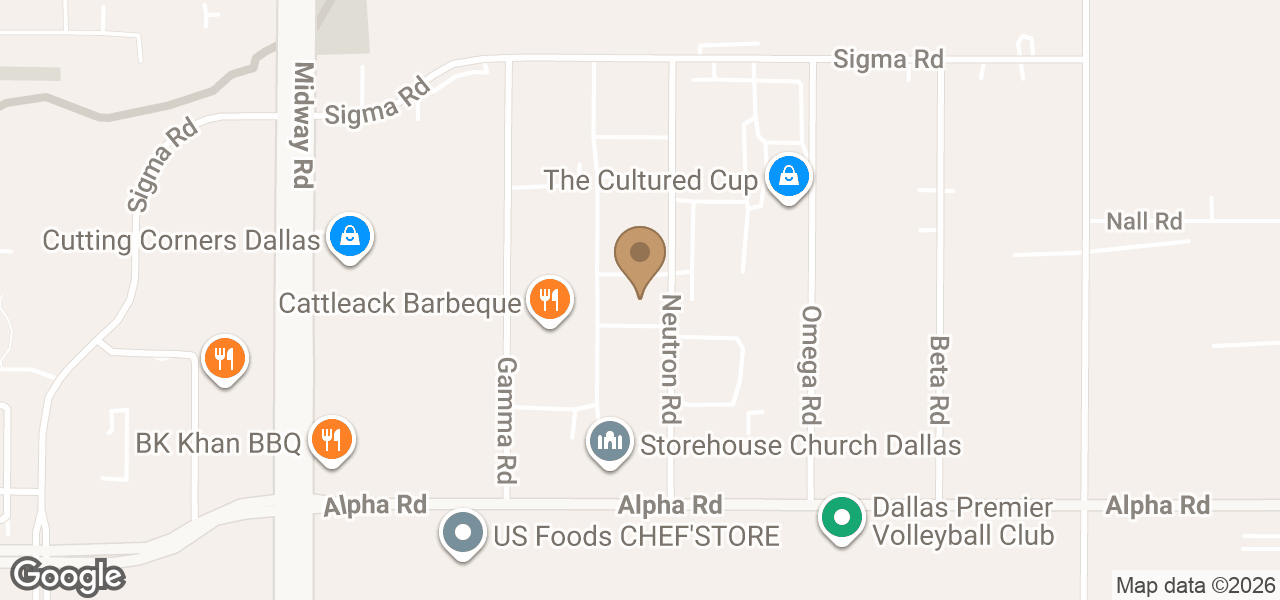
Address: 13701 Neutron Rd, Dallas, TX 75244 (Get directions)
Website: thelsda.com/
Facebook: Lone Star Diamond Academy on Facebook
Instagram: Lone Star Diamond Academy on Instagram
LinkedIn: Lone Star Diamond Academy on LinkedIn
Google: Lone Star Diamond Academy on Google
All services: View all Lone Star Diamond Academy services →
| Monday | 4:00 PM – 9:00 PM |
| Tuesday | 4:00 PM – 9:00 PM |
| Wednesday | 4:00 PM – 8:00 PM |
| Thursday | 4:00 PM – 9:00 PM |
| Friday | 4:00 PM – 9:00 PM |
| Saturday | 8:00 AM – 1:00 PM |
| Sunday | 10:00 AM – 2:00 PM |