Indoor Air Quality Solutions at Albemarle Heating & Air
Custom air quality improvements including whole-home dehumidifiers, humidifiers, air purification systems, HEPA filtration, and carbon media air cleaners. · Charlottesville, VA
Published in partnership with Albemarle Heating & Air · ← All Albemarle Heating & Air services
Book online anytime
Albemarle Heating & Air provides professional indoor air quality assessments and installations performed by licensed HVAC technicians with expertise in whole-home air treatment systems. Our team installs industry-leading equipment including whole-home dehumidifiers and humidifiers to maintain optimal 30-50% humidity levels, medical-grade HEPA filtration systems that capture 99.97% of particles as small as 0.3 microns, activated carbon media air cleaners for odor and chemical removal, and UV air purification systems that neutralize airborne pathogens. Each installation is customized to your home's specific layout, ductwork configuration, and air quality concerns, with follow-up testing to verify improved air quality metrics.
Session options and pricing
| Session | Price | Description |
|---|---|---|
| Whole-Home Humidifier | $800 - $1,500 | Installed with water line connection, maintains optimal humidity during dry winter months, prevents static and respiratory irritation |
| HEPA Filtration System | $1,000 - $2,800 | Medical-grade filtration integrated into ductwork, captures 99.97% of airborne particles, includes first year filters |
| Whole-Home Dehumidifier | $1,200 - $2,500 | Installed with drain connection, prevents mold and humidity damage, ideal for basements and humid climates |
Understanding Indoor Air Quality and Why It Matters
Indoor air quality (IAQ) refers to the condition of air inside your home, specifically the presence of pollutants, allergens, humidity levels, and contaminants that affect health and comfort. The EPA estimates that indoor air can be 2-5 times more polluted than outdoor air, and Americans spend approximately 90% of their time indoors. Common indoor air pollutants include particulate matter (dust, pollen, pet dander), biological contaminants (mold spores, bacteria, viruses), chemical pollutants (VOCs from cleaning products, furniture, and building materials), and improper humidity levels.
Poor indoor air quality contributes to a range of health issues including allergic reactions, asthma exacerbation, respiratory infections, headaches, fatigue, and long-term cardiovascular and respiratory diseases. Children, elderly individuals, and those with existing respiratory conditions are particularly vulnerable. Beyond health, air quality affects comfort—excessive humidity causes mustiness and mold growth, while insufficient humidity leads to dry skin, static electricity, and damage to wood furnishings. Whole-home air quality solutions address these issues systematically rather than treating symptoms in individual rooms.
The most effective approach combines multiple technologies: filtration to remove particles, humidity control to prevent mold and maintain comfort, and purification to neutralize biological contaminants. Because air circulates throughout your home via the HVAC system, integrating air quality equipment into existing ductwork treats your entire living space efficiently and continuously. Professional assessment identifies which specific solutions address your home's unique air quality challenges based on local climate, home construction, occupant sensitivities, and lifestyle factors.
How Indoor Air Quality Systems Work
HEPA (High-Efficiency Particulate Air) filtration systems work by forcing air through an extremely dense filter media that traps particles as small as 0.3 microns with 99.97% efficiency. Installed in-line with your ductwork, these systems filter all air circulating through your HVAC system. Unlike standard 1-inch furnace filters that primarily protect equipment, whole-home HEPA filters are specifically designed to improve air quality by capturing allergens, pollen, mold spores, pet dander, and fine dust particles. The filter media is pleated to maximize surface area, and systems include a bypass or pressure-sensitive design to prevent airflow restriction that could strain your HVAC equipment.
Activated carbon media air cleaners use a different mechanism—adsorption. Carbon has a porous structure with enormous surface area that chemically attracts and traps gases, odors, and volatile organic compounds (VOCs) that pass through it. These systems are particularly effective against cooking odors, pet smells, tobacco smoke, cleaning chemical fumes, and off-gassing from new furniture or carpeting. Carbon filters are often combined with HEPA filtration to address both particulate and gaseous pollutants simultaneously.
Whole-home humidifiers and dehumidifiers regulate moisture levels automatically by monitoring humidity with a humidistat (similar to a thermostat for humidity). Humidifiers add moisture during dry conditions by introducing water vapor into the air stream passing through your furnace, while dehumidifiers remove excess moisture by cooling air to condense water vapor, then reheating it before returning it to your home. Maintaining 30-50% relative humidity prevents mold growth, protects wood furnishings, reduces static electricity, and improves respiratory comfort. UV air purification systems use ultraviolet-C light installed inside your air handler to neutralize DNA of bacteria, viruses, and mold spores as air passes through, providing an additional layer of protection against biological contaminants.
What to Expect from Professional Air Quality Solutions
The process begins with a comprehensive air quality assessment of your home. A licensed HVAC technician evaluates your current system, ductwork condition, and specific air quality concerns. They'll take humidity measurements, inspect for potential mold or moisture issues, assess airflow patterns, and discuss symptoms you've experienced (allergies, odors, excessive dust). Based on these findings, they recommend specific solutions tailored to your needs—HEPA filtration for allergy sufferers, dehumidification for basement moisture problems, carbon filtration for odor control, or combination systems for comprehensive treatment.
Installation integrates the equipment directly into your existing HVAC system, typically at the furnace or air handler location. For filtration systems, the unit is mounted in-line with ductwork, creating a bypass where air is forced through the filter media before returning to circulation. Humidifiers connect to a water supply line and install on the warm air supply plenum, while dehumidifiers require both a water source and drain line, usually installed near the air handler. UV purifiers mount inside the air handler with electrical connection to your HVAC system. Professional installation ensures proper sizing, secure mounting, correct electrical and plumbing connections, and integration with your existing system controls. Most installations take 3-6 hours with minimal disruption to your home.
After installation, your system operates automatically, treating air continuously as your HVAC runs. For maximum benefit during initial setup, running your system fan on continuous low speed for the first week accelerates whole-home air treatment. Ongoing maintenance is straightforward: HEPA filters typically need replacement every 6-12 months depending on air quality and usage, carbon media filters annually, UV bulbs yearly, and humidifier/dehumidifier components require periodic cleaning and inspection. Many homeowners choose annual maintenance agreements that include air quality system service along with regular HVAC maintenance, ensuring optimal performance and catching potential issues early.
Comparing Indoor Air Quality Solutions to Alternatives
Portable air purifiers are the most common alternative to whole-home systems. While portable units offer flexibility and lower upfront cost ($200-500 per unit), they only treat individual rooms and require strategic placement and frequent relocation to address air quality throughout a home. A typical home would need 4-6 portable units to match whole-home coverage, quickly exceeding the cost of a professionally installed system. Portable units also require more maintenance (filter changes every 3-6 months per unit), create noise in living spaces, consume floor space, and provide inconsistent results as air quality varies significantly between rooms.
Stand-alone dehumidifiers and humidifiers face similar limitations. Portable dehumidifiers require daily emptying of collection buckets and only treat basement or individual rooms, while portable humidifiers need frequent refilling and create uneven humidity that can lead to over-humidification in some areas and continued dryness in others. Whole-home systems connect directly to plumbing, operate automatically based on actual humidity levels throughout the house, and maintain consistent conditions in every room simultaneously.
Upgraded furnace filters (like MERV 11-13 pleated filters) offer modest air quality improvement at low cost ($20-40 per filter, changed every 3 months). While better than basic fiberglass filters, they don't approach HEPA-level filtration efficiency, don't address humidity or odors, and can restrict airflow in some HVAC systems if not properly sized. They're a reasonable starting point for minimal concerns but insufficient for significant allergies, asthma, or comprehensive air quality improvement. The most effective approach for serious air quality concerns is professional whole-home systems that integrate multiple technologies—filtration, humidity control, and purification—providing comprehensive treatment that alternatives can't match.
What's Included
Professional Air Quality Assessment: Comprehensive home evaluation including humidity testing, ductwork inspection, and personalized solution recommendations based on your specific air quality concerns
Expert Installation by Licensed Technicians: Complete integration of equipment into existing HVAC ductwork with water/drain connections for humidity systems, electrical hookup, and system testing to verify proper operation
System Operation Training: Detailed walkthrough of your new equipment including control settings, maintenance requirements, filter replacement schedules, and troubleshooting guidance
Performance Verification: Post-installation testing to confirm improved air quality metrics, proper humidity levels, and optimal system integration with your existing HVAC equipment
Ongoing Maintenance Support: Access to filter replacement services, annual system inspections, and performance optimization to ensure continued air quality improvement year after year
Bottom line: The EPA and numerous medical studies confirm that improving indoor air quality significantly reduces respiratory symptoms, allergic reactions, and asthma exacerbations. HEPA filtration demonstrably removes 99.97% of airborne allergens, while proper humidity control (30-50% relative humidity) prevents mold growth and respiratory irritation.
EPA Indoor Air Quality guidelines, American Lung Association recommendations on home air filtration, peer-reviewed studies on HEPA filtration effectiveness published in Journal of Allergy and Clinical Immunology, and ASHRAE standards for residential humidity control and ventilation.
Who Is Indoor Air Quality Solutions Good For?
Good candidates: Indoor air quality solutions are ideal for families with asthma, allergies, or respiratory sensitivities; homes with pets; those experiencing excessive dust, odors, or humidity problems; households with young children or elderly members; and anyone concerned about long-term health impacts of indoor air pollution. Particularly beneficial for homes in humid climates prone to mold, dry winter climates causing respiratory discomfort, or areas with high outdoor pollution.
Who should consult a doctor first: Homeowners should have their HVAC system evaluated for compatibility before installation, particularly if equipment is very old or undersized. Homes with significant ductwork leakage should address sealing before installing air quality systems for maximum effectiveness. Those with severe mold problems should remediate the source before installing humidity control. Renters should check with landlords before installing whole-home systems. If you have specific health conditions or chemical sensitivities, discuss your concerns during assessment to ensure recommended solutions address your particular needs.
General safety: All indoor air quality systems are safe when properly installed and maintained. Humidifiers must be set correctly to avoid over-humidification that could promote mold (systems include automatic humidistat controls). UV purifiers use contained UV-C light that doesn't escape the unit and requires bulb replacement by qualified technicians. HEPA and carbon filters must be changed on schedule—clogged filters can restrict airflow and reduce system effectiveness. Dehumidifiers require proper drainage to prevent water overflow. Professional installation ensures systems are correctly sized for your HVAC capacity, preventing strain on equipment or airflow issues.
Frequently Asked Questions
How much do indoor air quality solutions cost at Albemarle Heating & Air?
Pricing varies based on the specific solution and home size. Whole-home humidifiers typically range from $800-$1,500 installed, dehumidifiers from $1,200-$2,500, HEPA filtration systems from $1,000-$2,800, and UV air purifiers from $600-$1,200. Carbon media air cleaners range from $400-$900. We provide free in-home assessments to evaluate your specific air quality concerns and recommend the most cost-effective solution. Many customers combine multiple systems for comprehensive air treatment, with package pricing available. Installation typically takes 3-6 hours depending on the system complexity.
How long does installation take and what's involved?
Most single-system installations take 3-6 hours to complete. Our licensed technicians integrate the equipment directly into your existing HVAC ductwork, which requires accessing your furnace/air handler area and sometimes attic or basement spaces. For whole-home humidifiers and dehumidifiers, we'll run a water line and drain connection. HEPA filtration and carbon media systems are installed in-line with your duct system. UV purifiers are mounted inside the air handler. We test all systems after installation to ensure proper operation and provide detailed instructions on maintenance. Most installations require no cutting into walls or major disruption to your home.
What should I expect during my first air quality assessment?
Your initial consultation includes a comprehensive walkthrough of your home to identify air quality concerns. We'll discuss specific issues you've noticed (allergies, odors, humidity problems, dust accumulation) and inspect your current HVAC system, ductwork condition, and home layout. We may take humidity readings and assess airflow patterns. Based on our findings, we'll recommend specific solutions tailored to your needs and budget, explain how each system works, and provide detailed pricing. The assessment takes 30-45 minutes and is provided free with no obligation. We'll also check for underlying issues like duct leaks or ventilation problems that may be contributing to poor air quality.
Who benefits most from indoor air quality improvements?
These solutions are especially beneficial for families with asthma or allergies, young children, elderly household members, or anyone with respiratory sensitivities. Homes with pets see significant reduction in dander and odors. If you notice excessive dust accumulation, musty odors, static electricity in winter, or condensation on windows, you likely need humidity control. Those living near construction, farms, or high-traffic areas benefit from enhanced filtration. People with chemical sensitivities or concerned about VOCs from new furniture, cleaning products, or building materials should consider carbon media filtration. Even healthy individuals benefit from cleaner air, better sleep, and reduced illness transmission.
Are there any risks or contraindications to these systems?
Indoor air quality systems are safe for all households when properly installed and maintained. Over-humidification can promote mold growth, which is why we install humidistats to maintain safe 30-50% humidity levels. UV purifiers require annual bulb replacement to remain effective and should not be looked at directly during service. HEPA filters require regular replacement (typically every 6-12 months) to maintain efficiency—a clogged filter can restrict airflow and strain your HVAC system. Some people initially notice increased dust on surfaces as systems pull settled particles into circulation before filtering them out; this normalizes within days. We ensure all systems are properly sized for your HVAC capacity to avoid airflow restriction.
How soon will I notice improved air quality?
Most customers notice improvements within 24-48 hours. HEPA filtration and carbon media systems begin working immediately, with noticeable dust and odor reduction within the first day. Humidity control systems typically stabilize conditions within 2-3 days of operation. Allergy and asthma symptom relief often occurs within the first week as allergen levels drop. UV purification provides ongoing protection against pathogens, with reduced illness frequency noticeable over weeks to months. Maximum benefit occurs after 2-4 weeks once all airborne contaminants have cycled through filtration multiple times. We recommend running your HVAC fan on continuous low speed for the first week to accelerate whole-home air treatment.
Do I need to prepare my home before installation?
Preparation is minimal. Ensure clear access to your furnace/air handler location, typically in a basement, attic, closet, or garage. Remove any items stored directly around the HVAC equipment. For humidifier and dehumidifier installations, we'll need access to a nearby water supply line and drain location—let us know if you're uncertain about these. If you have specific air quality concerns (pet odors in certain rooms, mold in the basement), mention these during scheduling so we can plan accordingly. No need to clean or move furniture in main living areas. Most installations don't require you to be home the entire time, though we recommend being available at the start and end for questions and system demonstration.
How do these systems compare to portable air purifiers?
Whole-home systems integrated into your HVAC treat every room simultaneously and handle much larger air volumes than portable units. A single whole-home HEPA system filters all air in your house 5-7 times per day, while portable units only treat one room and require moving between spaces. Whole-home humidifiers and dehumidifiers maintain consistent humidity throughout the entire house automatically, whereas portable units create uneven conditions and require frequent refilling and emptying. Whole-home systems are more cost-effective long-term—instead of buying multiple portable units at $200-500 each, you have one professionally installed system. They're also quieter since they're integrated into ductwork, require less maintenance, and don't take up floor space. Portable units are suitable for renters or temporary solutions, but whole-home systems provide superior, comprehensive air quality control.
Book online anytime
Contact & Location
Book online: Book Indoor Air Quality Solutions at Albemarle Heating & Air →
Phone: (434) 216-7126
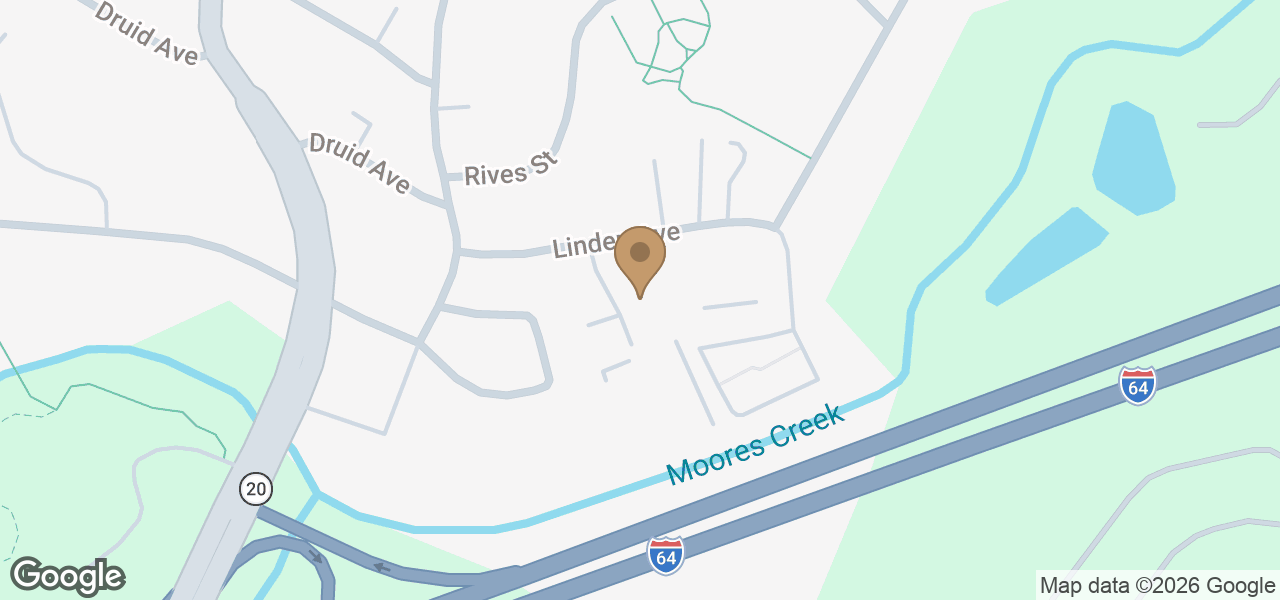
Address: 102 Keystone Pl, Charlottesville, VA 22902 (Get directions)
Facebook: Albemarle Heating & Air on Facebook
Instagram: Albemarle Heating & Air on Instagram
Google: Albemarle Heating & Air on Google
All services: View all Albemarle Heating & Air services →
| Mon | 8:00 AM – 5:00 PM |
| Tue | 8:00 AM – 5:00 PM |
| Wed | 8:00 AM – 5:00 PM |
| Thu | 8:00 AM – 5:00 PM |
| Fri | 8:00 AM – 5:00 PM |
| Sat | 8:00 AM – 4:00 PM |
| Sun | Closed |