HVAC Installation & Replacement at Albemarle Heating & Air
Professional installation of new furnaces, air conditioners, heat pumps, mini-splits, geothermal systems, and boilers with financing options and trade-in allowances. · Charlottesville, VA
Published in partnership with Albemarle Heating & Air · ← All Albemarle Heating & Air services
Book online anytime
Albemarle Heating & Air provides complete HVAC installation and replacement services including furnaces, air conditioners, heat pumps, mini-splits, geothermal systems, and boilers. Their certified technicians perform detailed load calculations to properly size equipment for your home's specific needs, ensuring optimal efficiency and comfort. They offer flexible financing options and trade-in allowances on old equipment to make upgrades more affordable. Each installation includes thorough system testing, thermostat setup, and a walkthrough of your new system's operation and maintenance requirements.
Session options and pricing
| Session | Price | Description |
|---|---|---|
| Standard Efficiency Replacement | $3,500 - $7,500 | Single-unit replacement (furnace or AC) with standard efficiency equipment, suitable for basic comfort needs and moderate climates |
| High-Efficiency System | $8,000 - $15,000 | Complete heating and cooling system with high-efficiency equipment (16+ SEER AC, 95%+ AFUE furnace, or heat pump), includes programmable thermostat and professional load calculation |
| Premium/Geothermal System | $15,000 - $30,000 | Top-tier equipment including geothermal heat pumps, multi-zone systems, or premium dual-fuel systems with advanced controls and maximum efficiency ratings |
What is HVAC Installation and How Does It Work?
HVAC installation is the process of removing old heating and cooling equipment and replacing it with a properly sized, modern system designed for your home's specific needs. The process begins with load calculations—precise measurements of your home's square footage, insulation, windows, orientation, and climate zone to determine the exact heating and cooling capacity required. This prevents the common problem of oversized or undersized equipment, which causes short cycling, temperature swings, humidity issues, and premature equipment failure.
Professional installation involves several critical steps: removing and disposing of old equipment, installing the new furnace, air handler, or heat pump in your mechanical room or attic, connecting the outdoor condenser unit for AC or heat pump systems, integrating with existing or new ductwork, running refrigerant lines and electrical connections to code, installing and programming thermostats, and thoroughly testing system operation including airflow, refrigerant charge, and safety controls. Each step must be performed correctly—improper refrigerant charging alone can reduce efficiency by 20% and shorten compressor life.
Modern HVAC systems are rated by efficiency metrics: SEER (Seasonal Energy Efficiency Ratio) for cooling, AFUE (Annual Fuel Utilization Efficiency) for furnaces, and HSPF (Heating Seasonal Performance Factor) for heat pumps. Higher numbers mean greater efficiency and lower operating costs. Today's minimum efficiency standards require 14 SEER for AC and 80% AFUE for furnaces in most regions, but high-efficiency models reach 20+ SEER and 98% AFUE, significantly reducing energy consumption and utility bills over the system's 15-20 year lifespan.
What HVAC Systems Address and When Replacement is Needed
HVAC replacement addresses several key problems: aging equipment nearing the end of its 15-20 year expected lifespan, declining efficiency causing high energy bills (systems lose about 5% efficiency per year after age 10), frequent breakdowns and costly repairs, inability to maintain comfortable temperatures or humidity levels, excessive noise from worn components, and obsolete refrigerants like R-22 that are no longer manufactured and extremely expensive to service.
Replacement is most cost-effective when repair costs exceed 50% of a new system's price, your system is over 15 years old, you're experiencing multiple breakdowns per year, your energy bills have increased significantly despite similar usage, or you're planning to stay in your home for 5+ years to recoup the investment. Modern high-efficiency systems typically pay for themselves through energy savings within 10-15 years, with additional benefits of improved comfort, quieter operation, better air filtration, and smart home integration.
Different system types serve different needs: furnaces provide powerful heating in cold climates, heat pumps offer efficient heating and cooling in moderate climates, dual-fuel systems combine heat pump efficiency with furnace reliability for extreme cold, mini-splits provide zoned comfort without ductwork, and geothermal systems deliver the highest efficiency by using stable ground temperatures. Your choice depends on your climate, existing infrastructure, energy costs, and comfort priorities.
The HVAC Installation Experience and Timeline
The experience begins with an in-home consultation where certified technicians assess your current system, home characteristics, and comfort complaints. They perform Manual J load calculations using industry-standard software to size equipment correctly—a critical step that many contractors skip, leading to improper sizing in up to 50% of installations according to industry studies. You'll receive detailed recommendations for equipment options at different efficiency levels with transparent pricing, available rebates, financing terms, and projected energy savings.
On installation day, crews arrive with new equipment and necessary materials. They protect your home with floor coverings and dust barriers, then carefully remove old equipment, ensuring proper disposal of refrigerants and hazardous materials. New equipment installation includes securing the furnace or air handler, positioning the outdoor unit on a level pad with proper clearance, running and insulating refrigerant lines, making electrical connections to code, connecting or modifying ductwork for proper airflow, installing the thermostat, and filling the system with refrigerant to precise specifications.
After installation, technicians perform comprehensive testing: verifying proper airflow throughout your home, measuring temperature rise/drop across the system, checking refrigerant charge with precision gauges, testing all safety controls and limit switches, programming thermostats and explaining controls, and running the system through full heating and cooling cycles. They'll provide detailed operation instructions, maintenance recommendations, warranty information, and filter replacement schedules. Most installations are completed in one day for basic replacements, with 1-2 days for more complex systems.
Comparing HVAC Installation to Alternatives
When facing HVAC issues, homeowners have several options beyond full replacement. Ongoing repairs can extend an old system's life but become increasingly expensive—the '50% rule' suggests that when repairs exceed half the cost of replacement, investing in a new system provides better value. Repairs don't improve efficiency or comfort, and older systems become harder to service as parts become obsolete. Most HVAC professionals recommend replacement over repeated repairs once systems reach 12-15 years old.
Partial replacement—upgrading just the furnace or just the AC—costs less upfront but may create compatibility issues with mismatched components and prevents you from taking advantage of matched system efficiencies. Modern HVAC systems are designed as integrated units where the indoor and outdoor components are optimized to work together. Replacing only one component may void warranties and reduce overall efficiency by 15-25% compared to a matched system.
Alternative heating and cooling options include ductless mini-splits (ideal for additions or homes without ductwork, costs $3,000-$10,000 per zone), window AC units (lowest upfront cost but inefficient and noisy, suitable only for single rooms), portable heaters (temporary solution with high operating costs and safety concerns), and geothermal systems (highest upfront cost at $15,000-$30,000 but lowest operating costs and 25-50 year lifespan). For whole-home comfort, properly installed central HVAC systems offer the best balance of efficiency, comfort, air quality, and long-term value.
What's Included
Professional Load Calculation: Detailed Manual J calculation to properly size equipment for your home's specific heating and cooling requirements, preventing efficiency loss from oversized or undersized systems
Complete System Installation: Removal of old equipment, installation of new furnace/AC/heat pump, outdoor unit placement, refrigerant line connection, electrical hookup, ductwork integration, and thermostat installation by certified technicians
System Testing & Commissioning: Comprehensive testing of airflow, refrigerant charge, temperature output, safety controls, and full system operation to ensure peak performance and efficiency
Operation Training & Documentation: Thorough walkthrough of your new system's controls, maintenance requirements, filter replacement schedule, warranty coverage, and troubleshooting guidance
Financing & Trade-In Options: Flexible financing plans and trade-in allowances on old equipment to reduce upfront costs and make system upgrades more accessible
Bottom line: Industry studies show that properly installed high-efficiency HVAC systems reduce energy consumption by 20-40% compared to older equipment, with Energy Star certified systems delivering an average of $115 annually in energy savings. However, proper load calculation and installation are critical—research indicates up to 50% of HVAC systems are improperly sized, resulting in reduced efficiency, comfort issues, and shortened equipment life.
Data from the U.S. Department of Energy, Energy Star program, Air Conditioning Contractors of America (ACCA) Manual J load calculation standards, and National Renewable Energy Laboratory studies on HVAC efficiency and sizing. The EPA's Responsible Appliance Disposal Program provides guidelines for safe refrigerant handling during equipment replacement.
Who Is HVAC Installation & Replacement Good For?
Good candidates: Homeowners with HVAC systems 15+ years old, those experiencing frequent breakdowns or high energy bills, homes with comfort issues like uneven temperatures or poor humidity control, buyers moving into homes with unknown or poorly maintained systems, and anyone wanting to upgrade to energy-efficient equipment for long-term savings. Also ideal for homes using obsolete R-22 refrigerant or those planning major renovations.
Who should consult a doctor first: Homeowners should get multiple quotes to compare equipment options, efficiency ratings, and pricing. Those in rental properties should consult landlords before system upgrades. If you're unsure whether repair or replacement is most cost-effective, request a thorough evaluation from certified technicians. Homeowners with unusual layouts, extreme temperature requirements, or specific air quality needs should discuss custom solutions. Those considering geothermal should assess property suitability for ground loop installation.
General safety: Professional installation by licensed, insured technicians is essential for safety and warranty coverage. Improper installation can cause gas leaks (for furnaces), electrical hazards, refrigerant leaks, carbon monoxide risks, and voided manufacturer warranties. All work should meet local building codes and include required permits and inspections. Refrigerant handling requires EPA certification—DIY installation is illegal and dangerous. Proper equipment sizing and installation are critical for efficiency—studies show up to 50% of systems are improperly sized, wasting energy and reducing equipment lifespan.
Frequently Asked Questions
How much does a new HVAC system cost at Albemarle Heating & Air?
HVAC system costs vary based on equipment type, size, and installation complexity. A basic furnace or AC replacement typically ranges from $3,500-$7,500, while complete dual-fuel or heat pump systems range from $8,000-$15,000. High-efficiency or geothermal systems can cost $15,000-$30,000 but offer greater long-term savings. Albemarle offers financing options and trade-in allowances to reduce upfront costs. They provide free in-home estimates with detailed pricing after assessing your specific needs.
How long does HVAC installation take?
A standard furnace or air conditioner replacement typically takes 1 full day (6-10 hours). More complex installations like heat pumps, dual-fuel systems, or mini-splits may take 1-2 days. Geothermal system installations require 2-5 days depending on ground loop installation. The process includes removing old equipment, installing new components, connecting ductwork and electrical, testing system operation, and programming thermostats. Albemarle schedules installations to minimize disruption and ensures your home has heating or cooling throughout the process.
What should I expect during my first consultation with Albemarle?
Your consultation begins with a thorough home assessment where technicians evaluate your current system, ductwork, insulation, and home layout. They perform load calculations to determine the correct equipment size for your square footage, climate zone, and insulation levels. You'll receive detailed recommendations for system types that match your needs and budget, along with transparent pricing for each option. They'll explain efficiency ratings (SEER, AFUE, HSPF), available rebates, financing terms, and trade-in values. The consultation typically takes 60-90 minutes and includes a written estimate with no obligation.
Who is HVAC replacement best for?
HVAC replacement is ideal for homeowners with systems 15+ years old, units requiring frequent repairs, systems that struggle to maintain comfortable temperatures, or equipment with declining efficiency causing high energy bills. It's also recommended when moving into a home with an unknown or poorly maintained system, when upgrading to energy-efficient equipment for long-term savings, or when your current system uses obsolete refrigerants like R-22. Homes with uneven heating/cooling or poor indoor air quality also benefit from modern systems with better airflow and filtration.
Are there any risks or limitations with HVAC installation?
Professional installation by certified technicians minimizes risks. The main considerations are proper equipment sizing (oversized or undersized systems waste energy and reduce comfort), adequate ductwork (leaky or improperly sized ducts reduce efficiency by 20-30%), and correct refrigerant charging for AC and heat pump systems. Installation requires a day without full heating/cooling, though contractors typically work quickly to restore service. Financing terms should be reviewed carefully to understand total costs. Albemarle's load calculations and certified installation practices address these concerns and ensure systems perform as designed.
How do I prepare for HVAC installation?
Clear a path to your existing HVAC equipment (furnace, AC unit, thermostat) and remove items from around these areas. Ensure installers can access your attic, basement, or crawlspace if that's where equipment is located. Plan for someone to be home during installation to answer questions and approve work. If you have pets, secure them away from work areas. Cover or move valuable items near installation zones. Discuss any concerns about ductwork, electrical, or thermostat placement before installation day. Albemarle will provide a detailed preparation checklist with your installation schedule.
How soon will I see results after HVAC installation?
Improved comfort is immediate—modern systems heat and cool more evenly and quietly than older units. Energy savings appear on your first full billing cycle, typically showing 20-40% reduction compared to old equipment depending on the efficiency upgrade. Full ROI from energy savings typically takes 7-15 years, though high-efficiency and geothermal systems may take longer but offer greater lifetime savings. Improved indoor air quality from better filtration is noticeable within days. System reliability and reduced repair needs are ongoing benefits throughout the 15-20 year expected lifespan.
What types of HVAC systems does Albemarle install?
Albemarle installs gas and electric furnaces, central air conditioners, heat pumps (air-source and geothermal), ductless mini-split systems, dual-fuel systems (heat pump with gas furnace backup), boilers for radiant heat, and hybrid systems. They carry multiple efficiency tiers from standard to high-efficiency models, including ENERGY STAR certified equipment. Their technicians help match system types to your home's existing infrastructure, climate needs, fuel availability, and budget. They also install smart thermostats and zoning systems to maximize comfort and efficiency.
Book online anytime
Contact & Location
Book online: Book HVAC Installation & Replacement at Albemarle Heating & Air →
Phone: (434) 216-7126
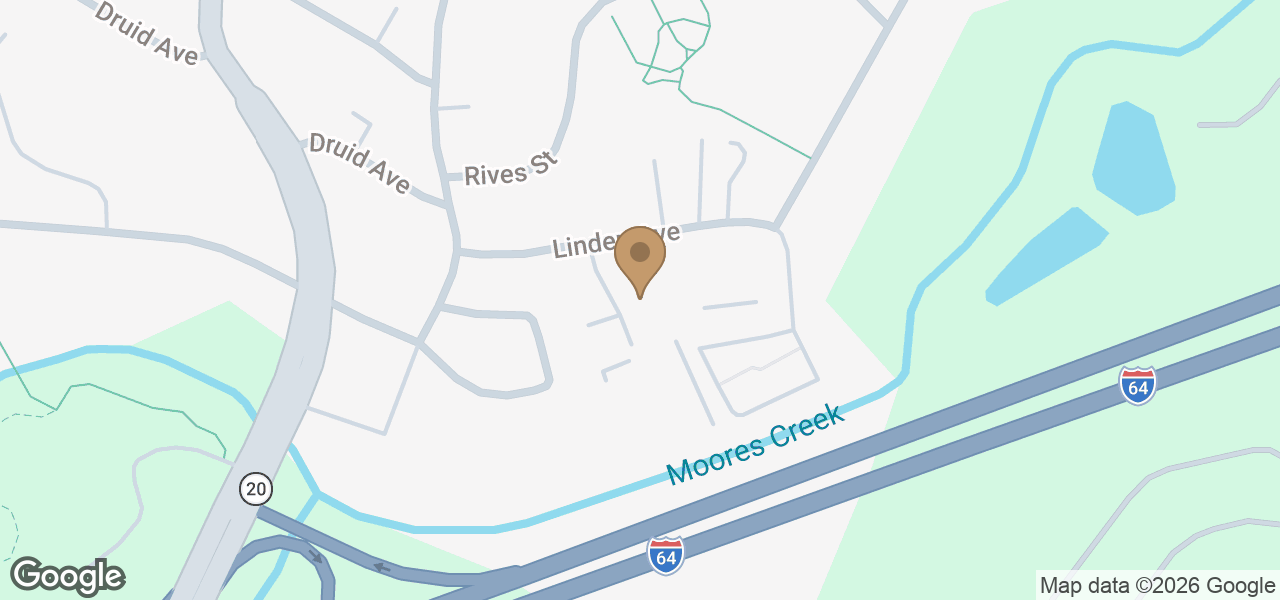
Address: 102 Keystone Pl, Charlottesville, VA 22902 (Get directions)
Facebook: Albemarle Heating & Air on Facebook
Instagram: Albemarle Heating & Air on Instagram
Google: Albemarle Heating & Air on Google
All services: View all Albemarle Heating & Air services →
| Mon | 8:00 AM – 5:00 PM |
| Tue | 8:00 AM – 5:00 PM |
| Wed | 8:00 AM – 5:00 PM |
| Thu | 8:00 AM – 5:00 PM |
| Fri | 8:00 AM – 5:00 PM |
| Sat | 8:00 AM – 4:00 PM |
| Sun | Closed |