Large Group Housing at Walk2Campus Plymouth State University
Properties accommodating 10+ students, perfect for clubs, teams, or large friend groups wanting to share a house. · Plymouth, NH
Published in partnership with Walk2Campus Plymouth State University · ← All Walk2Campus Plymouth State University services
Book online anytime
Walk2Campus Plymouth State University specializes in large group housing properties that accommodate 10 or more students within walking distance of campus. These full houses are ideal for sports teams, Greek life, club organizations, or large friend groups who want to live together while maintaining individual bedrooms. Properties feature multiple bathrooms, full kitchens, common living areas, and outdoor spaces, with lease terms designed specifically for the academic year and group coordination handled by experienced property managers who understand the unique needs of student group living.
Session options and pricing
| Session | Price | Description |
|---|---|---|
| Standard Large House | $500-600/person/month | 10-12 bedroom houses with 3-4 bathrooms, full kitchen, living areas, within 10-minute walk to campus |
| Premium Large House | $450-550/person/month | 13+ bedroom houses with 4-5 bathrooms, updated amenities, yards, within 5-8 minute walk to campus |
What Is Large Group Student Housing?
Large group student housing refers to off-campus properties—typically full single-family homes or converted multi-unit buildings—that accommodate 10 or more students under a single lease agreement. Unlike traditional apartment buildings where students rent individual units, large group housing allows an entire team, club, fraternity, sorority, or friend group to secure a complete house together. This housing model has become increasingly popular near college campuses as students seek alternatives to dormitories and individual apartments.
These properties feature multiple private bedrooms (usually 10-16), several full bathrooms (typically 3-5), expansive common living areas, full kitchens, and often outdoor spaces like yards or large porches. The key distinguishing feature is that the entire property is leased to a cohesive group rather than to individual unrelated tenants. This arrangement provides both the independence of off-campus living and the built-in community of organized group housing.
Near Plymouth State University, large group housing primarily consists of older residential homes within walking distance of campus that have been maintained or renovated to accommodate student groups. Property managers like Walk2Campus specialize in matching appropriate properties with student organizations and friend groups, handling the unique logistical challenges of coordinating 10+ individual leases, and managing properties that experience higher occupancy and use than typical single-family rentals.
Who Benefits Most from Large Group Housing?
Large group housing is particularly beneficial for organized student groups with pre-existing relationships and shared interests. Athletic teams frequently choose this option because it facilitates early morning practices, team bonding, and coordinated schedules. Living together allows teammates to build chemistry off the field, share transportation to games and practices, and create a supportive living environment centered on their sport. Many coaches and team captains view shared housing as contributing to team success and cohesion.
Greek life organizations (fraternities and sororities), club organizations, and special interest groups also benefit significantly from large group housing. These groups use the shared living space for meetings, events, and community building that would be difficult in dispersed individual apartments. Academic clubs, performing arts groups, and student government organizations find that living together improves communication, coordination, and organizational effectiveness.
Large friend groups—particularly those who have lived together previously in dormitories or smaller apartments—often seek large group housing as they progress through their college years. By junior and senior year, many students have established trusted friend groups and prefer the social atmosphere and cost savings of shared housing over living alone or with random roommates. The per-person cost savings can be substantial: splitting a $6,000/month house 12 ways ($500 per person) is typically much cheaper than individual apartments ($800-1,200) or on-campus housing ($900-1,400 including meal plans).
The Large Group Housing Experience: What to Expect
Living in large group housing creates a unique residential experience distinct from both traditional dormitories and small apartments. Residents enjoy private bedrooms while sharing common spaces with 9-15 housemates, creating a dynamic social environment. Daily life typically involves coordinating bathroom schedules during morning rush hours, sharing kitchen space and refrigerator storage, managing common area cleanliness through chore systems, and navigating the social dynamics of a large household.
Successful large group living requires clear communication, established house rules, and organized systems for shared responsibilities. Most groups create formal or informal agreements covering quiet hours, guest policies, cleaning rotations, shared supply purchases, and conflict resolution procedures. Groups that establish these norms early and designate house managers or representatives to coordinate with the landlord tend to have much more positive experiences than those who don't.
The physical environment of large group houses varies considerably. Some properties are well-maintained older homes with period charm, while others are more utilitarian conversions focused on maximizing bedroom count. Common challenges include limited parking (typically 4-6 spaces for 10+ residents), shared bathroom bottlenecks during peak times, kitchen crowding during meal prep, and the general wear-and-tear that comes with high occupancy. However, these drawbacks are often offset by the social benefits, cost savings, and independence that come with off-campus group living.
How Large Group Housing Compares to Alternatives
When compared to on-campus dormitory housing, large group houses offer significantly more independence, privacy, and space at a lower per-person cost. Dorm residents pay for both housing and mandatory meal plans, typically totaling $10,000-14,000 per academic year. Large group housing residents pay roughly $4,500-6,500 for rent plus their own food costs (typically $2,000-3,000 annually), resulting in comparable or lower total costs with much more freedom. However, dorms provide built-in community, no utility management, furniture, and closer proximity to campus resources—factors that matter more to freshmen and sophomores.
Compared to small off-campus apartments (2-4 people), large group housing offers better per-person pricing and enhanced social opportunities but requires more coordination and compromise. A 2-bedroom apartment might cost $1,200-1,600/month ($600-800 per person) while a large group house might be $6,000/month for 12 people ($500 per person). Small apartments provide more control, quieter environments, and simpler coordination, but lack the vibrant social atmosphere and built-in community of large group living.
The key trade-off in large group housing is independence versus coordination complexity. Groups that communicate well and share compatible lifestyles find large group housing to be the optimal college living arrangement—combining cost efficiency, social richness, and off-campus freedom. Groups with incompatible schedules, conflicting priorities, or poor communication often struggle with the coordination demands. Success in large group housing depends more on the people involved than the physical property itself.
What's Included
Private Bedrooms for All Residents: Individual bedrooms for each of the 10+ residents, providing personal space and privacy within the shared house
Multiple Full Bathrooms (3-5): Several complete bathrooms distributed throughout the house to minimize morning congestion and wait times
Fully Equipped Kitchen and Common Areas: Full kitchen with appliances (refrigerator, stove, oven, often microwave and dishwasher) plus living room and dining spaces for group gatherings
On-Site or In-Unit Laundry: Washer and dryer access within the property, eliminating trips to laundromats
Property Management and Maintenance: Ongoing maintenance support, snow removal, lawn care, and responsive repair services throughout the lease term
Bottom line: Research on student housing preferences consistently shows that upperclass students (juniors and seniors) prioritize independence, cost-effectiveness, and social connection, with many preferring off-campus housing that allows them to live with chosen peer groups. Studies indicate that shared off-campus housing can reduce per-student costs by 20-40% compared to on-campus options while providing greater autonomy, though success depends heavily on group compatibility and communication.
National Student Housing Survey data; Journal of College and University Student Housing research on living arrangement preferences; comparative cost analyses from College Board and university housing offices showing off-campus cost advantages for groups.
Who Is Large Group Housing Good For?
Good candidates: Large group housing is best for organized student groups with pre-existing relationships (athletic teams, Greek organizations, clubs) or established friend groups of 10+ people who have compatible lifestyles and good communication. Ideal candidates are juniors and seniors seeking independence and cost savings, groups with designated leaders to coordinate logistics, and students comfortable with the social dynamics and coordination challenges of high-occupancy living. Works particularly well for groups who spend significant time together already and want to extend that community into their living situation.
Who should consult a doctor first: Students should carefully consider large group housing before committing if they haven't lived with all proposed housemates previously, if the group lacks clear communication channels and conflict resolution methods, if they have very different schedules or lifestyle preferences (early risers vs. night owls), if they require consistently quiet study environments, or if they're uncomfortable with shared financial responsibility. First-time off-campus renters should understand all lease obligations and have parent co-signers review agreements. International students should verify visa housing requirements.
General safety: Large group housing is generally safe when properties are properly maintained and equipped with working smoke detectors, carbon monoxide detectors, and secure locks. However, high-occupancy housing does present unique safety considerations: ensure the property has adequate fire exits and that all residents know evacuation routes, verify that electrical systems can handle high simultaneous usage (multiple computers, appliances), establish clear policies about guests and security, and ensure all residents have emergency contact information. Properties should meet local building and occupancy codes—reputable property managers like Walk2Campus maintain compliance with all housing regulations.
Frequently Asked Questions
How much does large group housing cost per person near Plymouth State University?
Per-person rent for large group houses (10+ students) near Plymouth State typically ranges from $450-$650 per month depending on the specific property, bedroom configuration, and amenities. The total house rent is split among all residents, making it significantly more affordable than individual apartments or on-campus housing. Most leases run for the academic year (August-May) with utilities sometimes included or split among residents. A security deposit (typically one month's rent) is required upfront, along with first month's rent. Walk2Campus can provide specific pricing for available properties based on your group size and preferred location.
What is included in a large group house rental?
Large group houses include all essential living amenities: individual bedrooms for each resident, multiple full bathrooms (typically 3-5 depending on house size), fully equipped kitchen with appliances (refrigerator, stove, oven, often dishwasher), living and dining areas, laundry facilities (in-unit or on-site), and outdoor spaces like yards or porches. Properties come unfurnished unless otherwise specified. Parking is available for multiple vehicles. Property management handles maintenance requests, lawn care, and snow removal. Some properties include utilities in rent while others require residents to set up and split utility accounts.
How does the leasing process work for a large group?
The group leasing process starts with one or two group representatives contacting Walk2Campus to discuss size requirements and preferences. After viewing available properties, the group submits a joint application with each resident providing individual information and references. All residents typically sign the same lease agreement with joint and several liability, meaning the group is responsible together for rent payment. A designated representative often coordinates with property management. The lease runs for the academic year (typically 12 months starting in August). Groups should start their housing search 4-6 months before the desired move-in date as large properties fill quickly.
Can we choose our own roommates and bedroom assignments?
Yes, when you lease a large group house, your group has complete control over who lives there and bedroom assignments. Walk2Campus leases the entire property to your group, allowing you to self-select all housemates. Groups typically work out bedroom assignments among themselves before or shortly after signing the lease. Some groups draw names, others assign based on seniority or willingness to pay slightly different rates for premium rooms. Property management doesn't get involved in internal bedroom assignments—that's entirely up to your group to coordinate.
What happens if someone in our group wants to leave mid-lease?
Lease agreements for large group housing typically include joint and several liability, meaning all residents are collectively responsible for the full rent regardless of individual circumstances. If one person wants to leave, the group is responsible for finding a replacement tenant (subject to landlord approval through standard application process) or covering that person's share of rent for the remainder of the lease term. Walk2Campus will work with groups on subletting policies and replacement tenant approval. It's important for groups to discuss contingency plans before signing and consider whether individual or joint payment arrangements work best for their situation.
Are large group houses close enough to walk to Plymouth State campus?
Yes, Walk2Campus specifically focuses on properties within convenient walking distance to Plymouth State University, typically 5-15 minutes on foot to central campus. The business name reflects this core value—all properties are selected for walkability. This eliminates the need for campus parking permits, reduces transportation costs, and makes it easy to get to classes, the library, dining halls, and campus events. Specific walking times vary by property, and Walk2Campus can provide exact distances and routes for each available house during the property viewing process.
What are the requirements and qualifications for renting?
Requirements for large group housing typically include: all residents must be enrolled at Plymouth State University or another local institution, provide references (previous landlord or parental references acceptable for first-time renters), complete a rental application with personal information, consent to a basic background check, and provide proof of ability to pay rent (parent co-signers are commonly accepted for students). The group collectively must demonstrate financial responsibility for the total rent amount. International students and those without U.S. credit history are welcome with appropriate co-signers. Groups with strong organizational structure (sports teams, established friend groups) are viewed favorably.
What happens if there are maintenance issues or problems with the house?
Walk2Campus provides ongoing property management and maintenance support throughout your lease. Residents can submit maintenance requests through a dedicated system (phone, email, or online portal), and urgent issues like heat loss, water leaks, or security concerns receive same-day or next-day response. Routine maintenance is typically addressed within 3-5 business days. The property management team handles all major repairs, seasonal maintenance (lawn care, snow removal), and coordinates with contractors as needed. For emergencies outside business hours, an emergency contact number is provided. Regular property inspections ensure issues are caught early.
Book online anytime
Contact & Location
Book online: Book Large Group Housing at Walk2Campus Plymouth State University →
Phone: (603) 536-2479
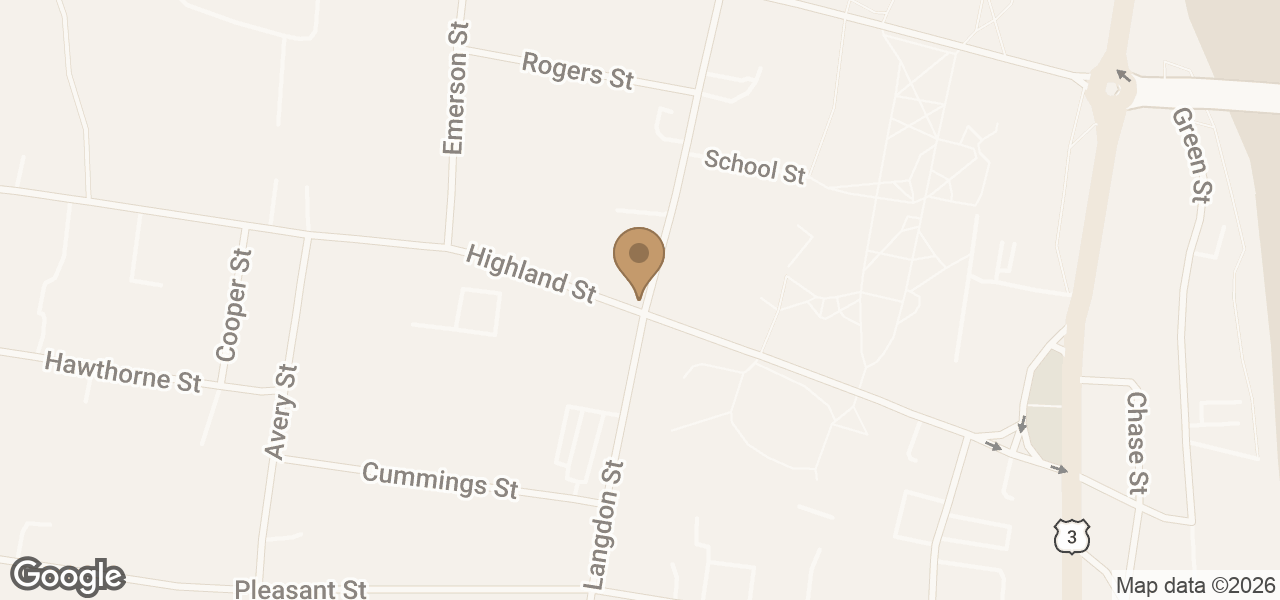
Address: 40 Highland St., Plymouth, NH 03264 (Get directions)
Website: walk2campus.com/property/list/id/13/market/Plymouth/0/default/1/1
Facebook: Walk2Campus Plymouth State University on Facebook
X: Walk2Campus Plymouth State University on X
Instagram: Walk2Campus Plymouth State University on Instagram
All services: View all Walk2Campus Plymouth State University services →
| Mon | 9:00 AM – 5:00 PM |
| Tue | 9:00 AM – 5:00 PM |
| Wed | 9:00 AM – 5:00 PM |
| Thu | 9:00 AM – 5:00 PM |
| Fri | 9:00 AM – 5:00 PM |
| Sat | Closed |
| Sun | Closed |