College Park Houses at Walk2Campus Coastal Carolina University
Large one-level 3 or 4 bedroom houses within walking distance to CCU, offering a traditional house-living experience with college amenities. · Conway, SC
Published in partnership with Walk2Campus Coastal Carolina University · ← All Walk2Campus Coastal Carolina University services
Book online anytime
Walk2Campus Conway offers large one-level houses with 3 or 4 bedrooms specifically designed for college students attending Coastal Carolina University. Each property is within walking distance of campus, eliminating transportation hassles while providing the space and privacy of traditional house living. Properties feature full kitchens, living areas, and outdoor spaces that give students independence and room to spread out, managed by a team experienced in student housing who understand the unique needs of college renters.
Session options and pricing
| Session | Price | Description |
|---|---|---|
| 3-Bedroom House | $1,800-$2,200/month | Full house rental with 3 bedrooms, approximately $600-$735 per person with 3 roommates, 12-month lease |
| 4-Bedroom House | $2,200-$2,800/month | Full house rental with 4 bedrooms, approximately $550-$700 per person with 4 roommates, 12-month lease |
Understanding Off-Campus Student Housing Near CCU
Off-campus housing has become increasingly popular among college students seeking more independence, space, and real-world living experience while attending Coastal Carolina University. Unlike traditional dormitories that house students in small shared rooms with communal facilities, off-campus houses provide separate bedrooms, full kitchens, living areas, and private bathrooms that create a more adult living environment. This transition helps students develop life skills like budgeting, meal planning, household management, and navigating landlord relationships—all valuable preparation for post-graduation life.
The 'walkable to campus' factor is crucial for student housing success. Properties within a 15-minute walk of campus allow students to maintain the convenience of dorm living without needing a car, paying for parking permits, or dealing with limited campus parking. This proximity means students can easily return home between classes, avoid early-morning commutes, and stay connected to campus life and activities. The single-level design of College Park houses offers practical advantages over multi-story apartments, making moving in and out simpler and eliminating stairs for daily living—a significant convenience when carrying groceries, laundry, or study materials.
What Makes House Living Different from Apartments or Dorms
House living offers a fundamentally different experience than dormitories or apartment complexes. In a house, you and your chosen roommates are the only occupants—there are no neighbors above, below, or on the other side of thin walls. This means you can host study groups, watch movies, or have friends over without constant noise complaints. Houses typically include outdoor spaces like yards, patios, or porches where students can grill, study outside, play yard games, or simply relax in fresh air—amenities rarely available in dorms or apartments.
The full kitchen in a house is a game-changer for student budgets and health. Instead of relying on expensive meal plans or fast food, students can cook their own meals, meal prep for the week, and split grocery costs with roommates. Many students save hundreds of dollars per month by cooking at home. Houses also provide significantly more storage space for clothes, sporting equipment, seasonal items, and personal belongings—no more cramming everything into a tiny dorm closet. Separate common areas mean roommates can pursue different activities simultaneously without disturbing each other: one person can study in their bedroom while others watch TV in the living room.
Financial Considerations and Budgeting for Student House Rentals
When comparing housing costs, students should look beyond just the rent price to calculate total monthly expenses. While a 4-bedroom house might rent for $2,400/month ($600 per person), students must also budget for utilities (electric, water, trash, internet) which can add $150-$250 per person monthly depending on usage and season. Conway, SC has hot, humid summers that drive up air conditioning costs, so summer utility bills are typically higher than winter months. Renter's insurance, while often overlooked, is important for protecting personal belongings and costs about $15-$25 per month per person.
The financial benefits of house living emerge over time through reduced food costs and shared resources. Students with full kitchens typically spend $200-$300 per month on groceries versus $400-$600 for meal plans or eating out regularly. When split among roommates, household supplies like cleaning products, toilet paper, and dish soap become very affordable. The 12-month lease structure, while requiring summer rent payment, often works out cheaper annually than 9-month dorm contracts because there's no scrambling for summer housing or storage. Many students sublet their room for summer months or stay in Conway for summer jobs or classes, making year-round housing beneficial.
Choosing Roommates and Managing Shared Living
Selecting compatible roommates is the single most important factor in off-campus housing success. Living in a house with 3-4 roommates means sharing kitchens, bathrooms, living spaces, and financial responsibilities, so personality fit and lifestyle compatibility matter tremendously. The most successful roommate groups establish clear expectations before moving in: cleaning schedules, quiet hours, guest policies, shared expenses, and how to handle conflicts. Many students create written roommate agreements covering these topics to prevent misunderstandings later.
Financial transparency is essential when sharing a house. Most landlords require all roommates to be co-signers on the lease, meaning each person is legally responsible for the full rent if others don't pay their share. Students should discuss how rent and utilities will be split, when payments are due, and what happens if someone wants to move out early. Setting up a shared Venmo or banking arrangement for utilities prevents the headache of tracking who owes what each month. Communication about guests, shared food, noise levels, and cleaning expectations should be ongoing—small annoyances become major conflicts when left unaddressed. Despite the challenges, many students form their closest friendships with roommates and develop conflict-resolution skills that serve them throughout life.
What's Included
3-4 Bedroom Single-Level House: Spacious one-story home with separate bedrooms for privacy, full kitchen, living room, and bathrooms—no stairs to navigate
Walking Distance to CCU Campus: Located within 10-15 minute walk to Coastal Carolina University, eliminating need for car or parking hassles
Full Kitchen and Appliances: Complete kitchen with refrigerator, stove/oven, and dishwasher for cooking meals and saving money on food costs
Outdoor Living Space: Yard, patio, or porch area for grilling, studying outside, or relaxing with roommates
Property Maintenance Support: Experienced management team handles major repairs and maintenance requests throughout your lease term
Bottom line: Research consistently shows that off-campus housing supports student development of life skills, financial literacy, and independence, though academic outcomes vary based on individual student discipline and the distance from campus. Students living within walking distance of campus maintain similar academic performance and campus engagement as dorm residents while developing household management skills.
Studies published in the Journal of College Student Development and research from the National Association of College and University Housing Officers indicate that proximity to campus is the key factor in maintaining academic success for off-campus students, with walkable housing providing benefits of both independence and campus connection.
Who Is College Park Houses Good For?
Good candidates: College Park houses are ideal for CCU students who want more independence and space than dorm living, are comfortable managing household responsibilities, have found compatible roommates to share expenses, and value the ability to cook their own meals and host friends. Best suited for upperclassmen, graduate students, or mature freshmen ready for independent living.
Who should consult a doctor first: First-time renters should carefully review lease terms and understand their financial obligations before signing, especially regarding joint liability with roommates. Students on tight budgets should realistically calculate total monthly costs including utilities and supplies, not just rent. International students or those unfamiliar with U.S. rental practices may want guidance from CCU's housing office or a trusted advisor.
General safety: Students should personally visit properties before signing, verify the neighborhood is safe and well-lit for walking to campus at night, ensure smoke detectors and locks are functional, and understand emergency procedures. Always read the full lease agreement and ask questions about anything unclear. Never sign a lease under pressure or without seeing the actual property you'll be renting.
Frequently Asked Questions
How much does it cost to rent a College Park house?
Pricing varies by house size and specific location but typically ranges from $1,800-$2,800 per month for the full house. Most students split rent between 3-4 roommates, bringing individual costs to $450-$700 per month per person. Leases are typically 12-month agreements with security deposits required. Contact Walk2Campus Conway directly for current availability and specific pricing on available properties.
How far is the walk to Coastal Carolina University?
All College Park houses are within comfortable walking distance to CCU campus, typically 10-15 minutes on foot to main campus buildings. This proximity means no need for a car, parking permits, or dealing with campus parking hassles. The walk is safe and straightforward, and many students bike or use scooters to get to class even faster.
What's included in the rental and what do tenants pay separately?
The rental price covers the house itself with full kitchen appliances, washer/dryer connections, and basic property maintenance. Tenants are typically responsible for utilities (electric, water, internet, cable), lawn maintenance, and furnishing the house. Specific inclusions vary by property, so review your lease agreement carefully. Walk2Campus Conway management handles major repairs and maintenance requests.
Can I choose my roommates or does Walk2Campus assign them?
Walk2Campus Conway allows you to form your own group of roommates and apply together for a specific house. If you're looking for roommates, they can sometimes help connect students seeking housing, though they don't offer formal roommate matching services. Most students find roommates through CCU social media groups, orientation events, or friends from classes.
What makes renting a house better than living in dorms or apartments?
Houses offer significantly more space, privacy, and independence compared to dorms or typical student apartments. You get a full kitchen to cook your own meals and save money, separate living areas for studying and socializing, outdoor space for grilling or relaxing, and no shared walls with dozens of neighbors. The single-level design makes moving in easier and provides better accessibility. You maintain the walking convenience of dorm life without the restrictions and noise.
Are the houses furnished or do we need to bring our own furniture?
College Park houses are typically unfurnished, meaning tenants need to provide their own furniture for bedrooms, living room, and dining areas. This allows you to customize your space and often works out cheaper than furnished rentals over a full academic year. Many students purchase affordable furniture locally or bring items from home. Kitchen appliances like refrigerator, stove, and dishwasher are included.
What is the lease term and when do leases typically start?
Most College Park houses operate on 12-month leases to align with the academic year, typically starting in August before fall semester begins. Some flexibility may be available depending on property turnover. Early signing (winter/spring for the following August) ensures the best selection of available houses. Breaking a lease early can be difficult, so ensure you're committed to the full term or have roommates who can cover your portion if you need to leave.
How does maintenance work if something breaks?
Walk2Campus Conway handles all major maintenance and repair issues. Tenants submit maintenance requests through the management company, and they coordinate repairs for issues like plumbing problems, appliance failures, HVAC issues, or structural concerns. Response time varies by urgency—emergencies like water leaks are addressed immediately, while non-urgent issues may take a few days. Tenants are responsible for minor maintenance like changing light bulbs, air filters, and keeping the property clean.
Book online anytime
Contact & Location
Book online: Book College Park Houses at Walk2Campus Coastal Carolina University →
Phone: (843) 234-1188
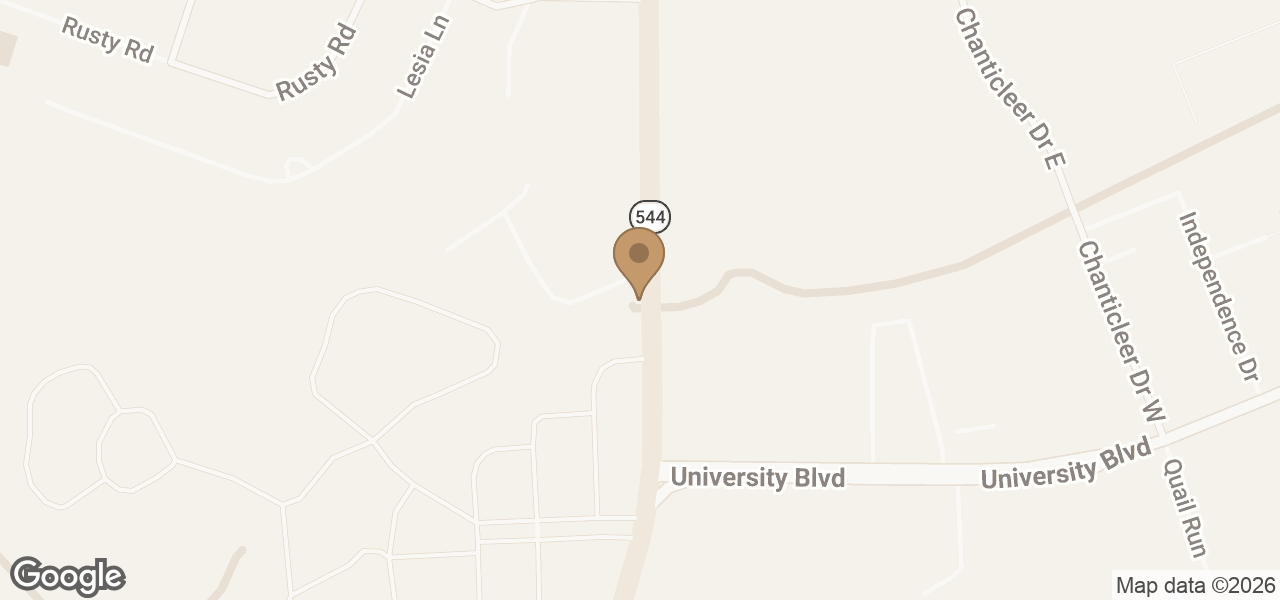
Address: 650 SC Highway 544, Conway, SC 29526 (Get directions)
Website: walk2campus.com/property/list/id/5/market/Conway
Facebook: Walk2Campus Coastal Carolina University on Facebook
X: Walk2Campus Coastal Carolina University on X
Instagram: Walk2Campus Coastal Carolina University on Instagram
All services: View all Walk2Campus Coastal Carolina University services →
| Mon | 9:00 AM – 5:00 PM |
| Tue | 9:00 AM – 5:00 PM |
| Wed | 9:00 AM – 5:00 PM |
| Thu | 9:00 AM – 5:00 PM |
| Fri | 9:00 AM – 5:00 PM |
| Sat | Closed |
| Sun | Closed |