Olympic Lifting at Solidarity Complete Fitness
Technical coaching in snatch, clean & jerk, and related strength movements from coaches who compete at elite levels. · Charlottesville, VA
Published in partnership with Solidarity Complete Fitness · ← All Solidarity Complete Fitness services
Book online anytime
Olympic lifting coaching at Solidarity Complete Fitness is delivered by coaches who actively compete at elite levels, bringing real competitive experience to technical instruction. Sessions focus on mastering the snatch and clean & jerk movements through systematic progression, video analysis, and personalized programming. Training emphasizes proper mechanics, explosive power development, and mobility work in a supportive environment designed for both competitive lifters and those learning these highly technical movements. Coaches provide hands-on cueing and individualized feedback to ensure safe, effective progression through Olympic lifting's complex movement patterns.
Session options and pricing
| Session | Price | Description |
|---|---|---|
| Membership (includes Olympic Lifting) | $150-250/month | Full facility access with Olympic lifting classes and coaching included |
| Private Coaching | $75-100/session | One-on-one intensive technique work and competition prep |
What is Olympic Weightlifting?
Olympic weightlifting is a barbell sport consisting of two competitive lifts: the snatch and the clean & jerk. The snatch involves lifting the barbell from floor to overhead in one continuous motion, while the clean & jerk is a two-part lift where the bar is first brought to the shoulders (clean) then driven overhead (jerk). These movements require explosive power, technical precision, mobility, timing, and full-body coordination, making them among the most demanding and rewarding strength exercises.
Beyond competition, Olympic lifting movements and their variations are used by athletes across sports to develop explosive power, speed, and strength. The movements train the body's ability to generate and transfer force rapidly through the kinetic chain—the same quality needed for jumping, sprinting, throwing, and most athletic actions. This makes Olympic lifting valuable not just for competitive weightlifters but for any athlete seeking to improve power output and athleticism.
Benefits of Olympic Lifting Training
Olympic lifting produces unique adaptations that other training modalities cannot fully replicate. The lifts develop rate of force development—how quickly you can produce strength—which directly translates to improved athletic performance. Research shows Olympic lifting enhances vertical jump height, sprint speed, and change-of-direction ability more effectively than traditional strength training alone. The movements also build tremendous core strength and postural control as athletes must stabilize heavy loads overhead and in the receiving positions.
The technical nature of Olympic lifting provides cognitive benefits alongside physical ones. Learning these complex movement patterns enhances body awareness, coordination, and the mind-muscle connection. Many athletes find Olympic lifting highly engaging because progress is visible not just in strength gains but in movement quality and technical refinement. The combination of strength, speed, mobility, and skill makes Olympic lifting a comprehensive athletic development tool.
For general fitness enthusiasts, Olympic lifting offers functional full-body strength that carries over to daily activities. The movements build hip, back, and shoulder strength in ranges of motion that improve overall movement capacity. The overhead positions in particular develop shoulder stability and thoracic mobility that benefit posture and injury prevention. Additionally, the explosive nature of the lifts provides cardiovascular benefits when performed in training circuits or complexes.
The Olympic Lifting Learning Process
Learning Olympic lifts is a systematic progression that begins with fundamental positions and movement patterns before advancing to full lifts with substantial loads. Beginners typically start with mobility assessments and positional work, learning the overhead squat, front squat, and pressing positions that form the foundation of Olympic lifting. Coaches introduce pulling mechanics and teach athletes to generate power from the legs and hips rather than the arms. Early training uses PVC pipes, training bars, and light loads to develop motor patterns without fatigue interfering with learning.
As technique develops, athletes progress through variations that build specific strength and address weak points. Power variations (power snatch, power clean) teach speed and aggression under the bar. Complexes combining multiple movements develop positional strength and technical consistency. Pulls and deadlift variations build the strength needed to move heavier weights. Video analysis becomes an important tool, allowing athletes to see their movement patterns and understand coaching cues more effectively.
Advanced training involves periodized programming that balances technical work, strength development, and recovery. Competitive lifters follow training cycles that peak for specific competitions, while recreational lifters might focus on general strength development with periods emphasizing technique refinement. Coaches adjust programming based on individual response, technical proficiency, and goals—whether competitive success or athletic development for other sports.
Olympic Lifting vs. Other Strength Training
Olympic lifting differs fundamentally from powerlifting, bodybuilding, and general strength training in its emphasis on speed and power rather than maximum force or muscle development. While powerlifting tests maximum strength in the squat, bench press, and deadlift, Olympic lifting tests the ability to move loads explosively through complex technical movements. This distinction makes Olympic lifting particularly valuable for athletes in sports requiring explosive power—football, basketball, track and field, combat sports—while powerlifting may better serve those purely interested in maximum strength development.
Compared to bodybuilding or hypertrophy-focused training, Olympic lifting prioritizes neural adaptations and movement efficiency over muscle growth. While Olympic lifters do develop considerable muscle mass, especially in the legs, back, and shoulders, the training emphasis is on force production and technique rather than muscle fatigue and pump. Athletes seeking both explosive power and aesthetic development often combine Olympic lifting with supplemental bodybuilding work.
For CrossFit athletes and functional fitness enthusiasts, dedicated Olympic lifting practice offers significant advantages over learning these movements only within mixed conditioning workouts. The technical complexity of snatches and clean & jerks requires focused practice to master, and performing them while fatigued from other exercises increases injury risk and reinforces poor patterns. Separate Olympic lifting sessions allow athletes to develop proper technique and strength that then improves their performance when these movements appear in CrossFit workouts.
What's Included
Elite-Level Coaching: Technical instruction from coaches who actively compete at high levels and understand the nuances of Olympic lifting from firsthand experience.
Video Analysis & Feedback: Video recording and review of your lifts with detailed technical feedback to accelerate learning and identify areas for improvement.
Personalized Programming: Training programs tailored to your experience level, goals, and schedule, whether you're training for competition or athletic development.
Specialized Equipment: Access to proper Olympic lifting platforms, barbells, bumper plates, and training bars in an environment designed for weightlifting.
Mobility & Positional Work: Structured warm-ups and mobility sessions addressing the specific flexibility demands of Olympic lifting positions.
Bottom line: Research consistently shows Olympic lifting and its variations effectively develop explosive power, rate of force development, and athletic performance markers like vertical jump and sprint speed. Studies indicate Olympic lifts produce superior power adaptations compared to traditional strength training alone, making them valuable for athletic development across sports.
Multiple studies published in Journal of Strength and Conditioning Research and Sports Medicine demonstrate Olympic lifting's effectiveness for power development. National Strength and Conditioning Association position stands support Olympic lifting for athletic performance. Research by Haff, Stone, and colleagues establishes the biomechanical and physiological basis for using Olympic lifts in athletic training programs.
Who Is Olympic Lifting Good For?
Good candidates: Olympic lifting is excellent for athletes seeking explosive power development, CrossFit participants wanting to improve their Olympic lift performance, competitive weightlifters at any level, and fitness enthusiasts interested in technical barbell training. It's particularly valuable for athletes in sports requiring jumping, sprinting, or throwing. Beginners are welcome—the technical nature of the movements actually benefits from starting with proper coaching.
Who should consult a doctor first: Individuals with significant shoulder, wrist, knee, or lower back injuries should consult with a physician and discuss limitations with coaches before beginning. Those with limited overhead mobility may need extended preparatory work before performing full lifts. Pregnant athletes should discuss modifications with their healthcare provider. Anyone with uncontrolled cardiovascular conditions should obtain medical clearance before starting explosive training.
General safety: Olympic lifting is safe when learned progressively with proper coaching. Coaches at Solidarity emphasize technical mastery before loading and use appropriate progressions for each athlete's skill level. The facility provides proper equipment including lifting platforms and bumper plates that allow safe dropping of missed lifts. Athletes should follow prescribed training volumes and allow adequate recovery between sessions to prevent overuse injuries.
Frequently Asked Questions
How much does Olympic lifting coaching cost at Solidarity Complete Fitness?
Olympic lifting coaching is included in Solidarity Complete Fitness membership. Members can attend specialized Olympic lifting classes and receive coaching as part of their regular membership without additional fees. Private coaching sessions for intensive technique work or competition preparation are available at additional cost. Contact the facility for current membership rates and private coaching pricing.
Do I need prior weightlifting experience to start Olympic lifting?
No prior experience is required. Coaches work with complete beginners through advanced competitive lifters. Beginners start with fundamental positions, mobility work, and progressions using PVC pipes and training bars before advancing to loaded barbells. The technical nature of Olympic lifting actually benefits from starting with proper coaching rather than developing poor habits. Coaches assess your current mobility and strength to create an appropriate starting point.
How long does it take to learn the snatch and clean & jerk?
Basic competency in Olympic lifting movements typically takes 3-6 months of consistent practice, but mastery is an ongoing process even for elite lifters. Most athletes can perform recognizable snatches and clean & jerks within their first month, but refining technique, building positional strength, and increasing loads is a multi-year journey. Progress depends on training frequency, athletic background, mobility, and coachability. Coaches provide progressions that allow you to train productively at every skill level.
What makes Solidarity's Olympic lifting coaches qualified?
Solidarity's Olympic lifting coaches actively compete at elite levels, meaning they have firsthand experience with the demands, techniques, and mental aspects of competitive weightlifting. This competitive background allows them to teach not just textbook mechanics but practical solutions to common technical problems. Coaches understand progression from beginner through advanced levels because they've lived it themselves, and they stay current with training methodologies through their own continued competition and education.
How often should I train Olympic lifting to see progress?
Most athletes see best results training Olympic lifting 2-4 times per week. Two sessions weekly allows beginners to develop technique while recovering adequately. Intermediate lifters often benefit from 3-4 sessions with varied intensities and focuses. Coaches design programming around your schedule and recovery capacity. Consistent practice is more important than volume—two focused sessions weekly will produce better results than sporadic training at higher frequency.
What equipment do I need for Olympic lifting at Solidarity?
Solidarity provides all necessary equipment including Olympic barbells, bumper plates, lifting platforms, and training bars of various weights. You should wear flat, hard-soled shoes (dedicated weightlifting shoes are ideal but not required initially), comfortable athletic clothing that allows full range of motion, and avoid heavily cushioned running shoes which create instability. Knee sleeves, wrist wraps, and lifting belts are optional accessories that many lifters adopt as they progress but aren't necessary for beginners.
Can Olympic lifting help me get stronger for other sports or CrossFit?
Yes, Olympic lifting develops explosive power, full-body coordination, speed, and positional strength that transfer excellently to other sports and CrossFit. The triple extension pattern in Olympic lifts mimics jumping and sprinting mechanics. Many athletes use Olympic lifting to improve vertical jump, sprint speed, and overall athleticism. For CrossFit athletes, dedicated Olympic lifting practice significantly improves performance in WODs that include these movements and builds confidence with heavy barbells.
Is Olympic lifting safe, and what are the injury risks?
When learned with proper coaching and appropriate progression, Olympic lifting has injury rates comparable to or lower than many other sports. The movements themselves are performed with good posture and full-body coordination, which can actually improve joint health and movement quality. Injuries typically occur from programming errors (too much volume or intensity too soon), poor technique under fatigue, or inadequate mobility work. Solidarity's coaches emphasize technical mastery before loading, ensuring athletes build a safe foundation. Individuals with existing shoulder, wrist, or knee injuries should discuss limitations with coaches before starting.
Book online anytime
Contact & Location
Book online: Book Olympic Lifting at Solidarity Complete Fitness →
Phone: (434) 448-8666
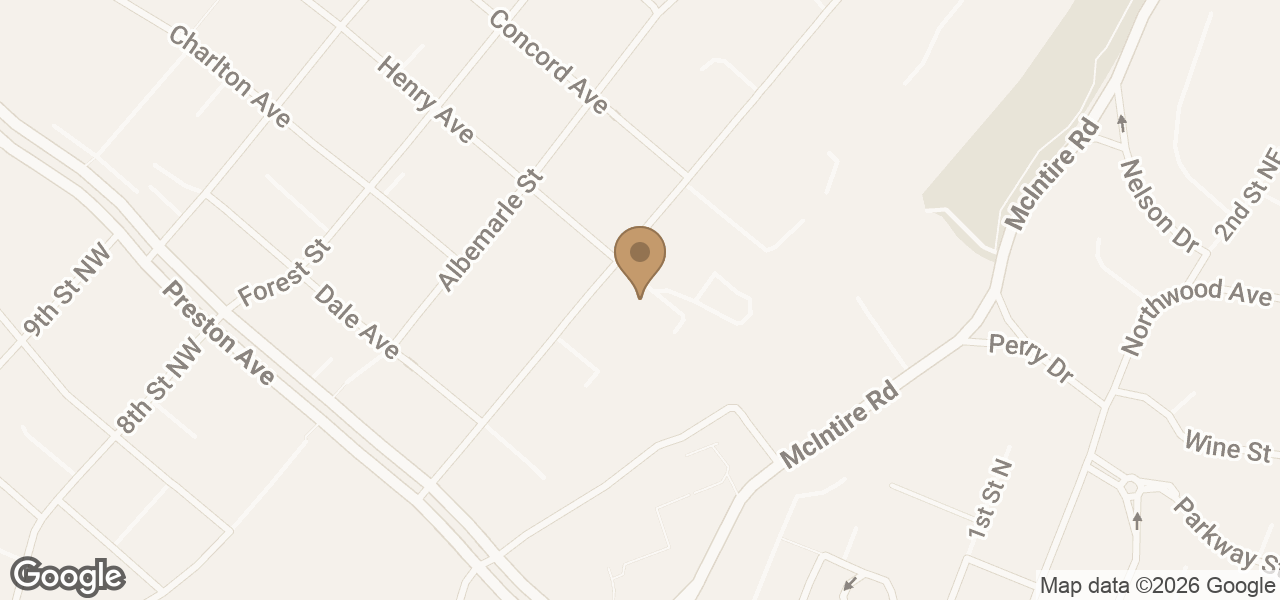
Address: 770 Harris St, Charlottesville, VA 22903 (Get directions)
Website: solidaritycompletefitness.com/
Google: Solidarity Complete Fitness on Google
Yelp: Solidarity Complete Fitness on Yelp
All services: View all Solidarity Complete Fitness services →
| Monday | 5:00 AM – 7:30 PM |
| Tuesday | 5:00 AM – 7:30 PM |
| Wednesday | 5:00 AM – 7:30 PM |
| Thursday | 5:00 AM – 7:30 PM |
| Friday | 5:00 AM – 7:30 PM |
| Saturday | 8:00 AM – 10:30 AM |
| Sunday | 11:00 AM – 12:30 PM |