Speed & Agility Training at Lone Star Diamond Academy
Position-specific speed and agility work to improve footwork, reaction time, and on-field movement efficiency. · Dallas, TX
Published in partnership with Lone Star Diamond Academy · ← All Lone Star Diamond Academy services
Book online anytime
Lone Star Diamond Academy's Speed & Agility Training is delivered by experienced baseball coaches who understand the unique movement demands of each position on the diamond. Athletes work through position-specific drills using agility ladders, cone patterns, resistance bands, and reaction training equipment to develop explosive first steps, lateral quickness, and directional change efficiency. Training sessions incorporate baseball-specific movement patterns like pitcher's delivery footwork, infielder shuffle mechanics, and outfielder burst-and-tracking sequences, ensuring that speed gains translate directly to game performance rather than generic athletic drills.
Session options and pricing
| Session | Price | Description |
|---|---|---|
| Private Training | $75-125 | One-on-one 60-minute session with personalized attention and position-specific programming |
| Small Group Training | $40-60 | 2-4 athletes per 60-minute session, grouped by position or skill level for peer motivation |
| Package Rates | Varies | Multi-session packages available with discounted per-session rates and flexible scheduling |
What Is Speed & Agility Training for Baseball?
Speed and agility training for baseball develops the physical qualities that determine how quickly athletes accelerate, change direction, react to stimuli, and maintain control during explosive movements. Unlike straight-line sprinting programs, baseball-specific speed and agility training emphasizes multi-directional movement, rapid deceleration and re-acceleration, reactive decision-making, and position-specific footwork patterns that directly translate to game situations.
Training incorporates progressive drills using agility ladders for footwork coordination, cone patterns for directional change mechanics, resistance equipment for acceleration development, and reaction balls or visual cue systems for stimulus-response training. Position-specific protocols address the unique demands of each role—pitchers work on delivery stride efficiency and fielding-position footwork, infielders focus on lateral shuffle mechanics and forward charging patterns, outfielders develop reading-and-breaking efficiency and route-running speed, and catchers emphasize pop-time footwork and blocking lateral movement.
The goal is to reduce the time between recognizing a play situation and executing the required movement while maintaining body control and optimal positioning. This training improves both closed-skill speed (predetermined movements like stealing bases) and open-skill agility (reactive movements like fielding unpredictable ground balls).
Benefits and Performance Outcomes
Speed and agility training produces measurable improvements in key baseball performance metrics. Athletes typically see 60-yard dash times improve by 0.2-0.5 seconds, stolen base success rates increase through faster jumps and acceleration, and defensive range expand through improved lateral quickness and first-step explosion. Catchers reduce pop times through more efficient footwork mechanics, while infielders cover more ground laterally and charge slow rollers more aggressively.
Beyond measurable speed, training improves movement efficiency and body control, which reduces wasted motion and energy expenditure during games. Athletes develop better deceleration mechanics that allow them to stop and change direction without loss of balance or control—critical for defensive plays requiring sudden direction changes. Enhanced proprioception and spatial awareness help athletes position their bodies optimally for throws, catches, and tags.
The injury prevention benefits are significant. Proper training teaches safe landing mechanics, strengthens stabilizer muscles around ankles and knees, and improves eccentric strength for deceleration forces. Athletes who can control their body through directional changes experience fewer non-contact lower body injuries like ankle sprains and muscle strains. The neuromuscular adaptations from agility training also improve overall athletic coordination and baseball-specific movement patterns.
What to Expect During Training Sessions
Sessions begin with a comprehensive dynamic warm-up including leg swings, high knees, butt kicks, lateral shuffles, and progressive build-up sprints to prepare the nervous system and musculature for explosive work. Coaches then lead athletes through the primary training block, which typically includes 4-6 different drill stations focusing on specific movement qualities.
Agility ladder drills develop footwork speed, coordination, and rhythm through patterns like ickey shuffle, in-in-out-out, and lateral crossovers. Cone drills address directional change efficiency using patterns like the pro agility shuttle (5-10-5 drill), 3-cone drill, and baseball-specific patterns mimicking infield approaches or outfield routes. Acceleration work uses resistance bands, sleds, or partner resistance to develop explosive first-step power, while deceleration drills teach athletes to absorb force safely and transition quickly to new directions.
Position-specific segments incorporate baseball movements—infielders work through backhand-to-forehand transition footwork, outfielders practice crossover-and-turn mechanics for tracking fly balls, catchers drill throwing footwork and blocking lateral movement patterns. Reaction training using visual or auditory cues develops the stimulus-response speed critical for game situations. Sessions conclude with cool-down stretching and coach feedback on technique adjustments and progress toward goals. Athletes receive specific cues and corrections throughout to ensure they're building efficient, repeatable movement patterns.
How Speed & Agility Training Compares to Other Athletic Development
General athletic speed programs focus primarily on straight-line sprinting mechanics and max velocity development, which has limited transfer to baseball's predominantly multi-directional movement demands. Baseball speed and agility training emphasizes the first three steps of acceleration (where most plays are won or lost), lateral movement capacity, and directional change efficiency—qualities that matter more in a 90-foot diamond than top-end sprinting speed.
Strength training in the weight room builds the force production capacity and structural integrity that underlies speed, but doesn't directly train the neuromuscular patterns for rapid directional changes or reactive movements. Speed and agility training applies that strength to baseball-specific movement patterns, creating the connection between gym strength and on-field quickness. The two are complementary—strength training provides the foundation, while speed and agility training develops sport-specific application.
Position-specific training distinguishes baseball speed work from generic agility programs. A shortstop needs different movement qualities than an outfielder—the shortstop prioritizes lateral quickness and multi-directional reactivity within a 15-foot radius, while the outfielder needs straight-line burst and the ability to track objects while running at speed. Effective training addresses these position-specific demands rather than applying one-size-fits-all drills, ensuring that training time translates to game performance improvement for each athlete's actual role on the field.
What's Included
Movement Assessment: Comprehensive evaluation of current speed, agility, and footwork mechanics with baseline measurements to track progress
Position-Specific Drill Programming: Customized drills targeting the exact movement patterns and demands of your position on the diamond
Agility Equipment Training: Access to ladders, cones, resistance bands, reaction balls, and other specialized equipment for comprehensive development
Real-Time Coaching & Feedback: Expert instruction with immediate technique corrections and movement cues throughout each session
Progress Tracking: Regular re-testing of key metrics and documented improvements in speed, agility, and position-specific movements
Bottom line: Research consistently shows that sport-specific speed and agility training improves acceleration, change-of-direction speed, and reactive movement capacity in athletes, with greater performance transfer than general fitness training. Neuromuscular adaptations from repeated practice of sport-specific movement patterns enhance both physical capacity and movement efficiency.
Studies published in the Journal of Strength and Conditioning Research demonstrate significant improvements in linear speed and change-of-direction performance following structured agility training programs. The National Strength and Conditioning Association emphasizes sport-specific movement training for optimal athletic development and injury risk reduction through improved movement mechanics.
Who Is Speed & Agility Training Good For?
Good candidates: Speed and agility training is ideal for baseball players ages 8 and up at any skill level who want to improve on-field quickness, defensive range, baserunning speed, or position-specific movement efficiency. Particularly beneficial for athletes preparing for tryouts or showcases, players transitioning to higher competition levels, and those who want to maximize their athletic potential regardless of current speed baseline.
Who should consult a doctor first: Athletes with current lower body injuries (ankle sprains, knee issues, hip strains), recent concussions, or joint instability should obtain medical clearance before beginning explosive speed and agility training. Those with a history of ACL or Achilles injuries should inform coaches to receive appropriate drill modifications during early training phases.
General safety: Speed and agility training is safe when coached with proper progression and technique emphasis. All sessions include comprehensive warm-up protocols, coaches monitor form to prevent compensation patterns that increase injury risk, and drills are scaled appropriately for each athlete's age and development level. Proper footwear and training surface selection minimize slip and fall risks, while progressive loading prevents overuse injuries from excessive volume.
Frequently Asked Questions
How much does Speed & Agility Training cost at Lone Star Diamond Academy?
Pricing varies based on session format. Private one-on-one training typically ranges from $75-125 per hour, while small group sessions (2-4 athletes) run $40-60 per athlete per session. Multi-session packages and team training options are available at discounted rates. Contact Lone Star Diamond Academy directly for current pricing and package options tailored to your training goals.
How long are training sessions and how often should athletes train?
Individual sessions typically last 60 minutes, with the first 10 minutes for dynamic warm-up, 40 minutes of focused drills and exercises, and 10 minutes for cool-down and feedback. For optimal results, athletes should train 2-3 times per week during off-season and 1-2 times weekly during season to maintain gains without overtraining. Younger athletes (under 12) may benefit from shorter 45-minute sessions.
What should athletes expect during their first speed and agility session?
The first session includes a movement assessment where coaches evaluate current speed, agility baseline, footwork mechanics, and identify position-specific areas for improvement. Athletes will be introduced to fundamental drills using agility ladders, cones, and reaction equipment while coaches establish baseline times and movement patterns. Wear baseball pants or athletic shorts, cleats or turf shoes, and bring water. Coaches will create a customized training plan based on the assessment results and athlete's specific position and goals.
Is this training appropriate for youth players or only advanced athletes?
Speed and agility training benefits players of all skill levels from youth (8+) through high school, college, and adult players. Coaches adapt drills and intensity based on age, experience, and physical development. Youth players focus on foundational movement patterns and coordination, while advanced athletes work on explosive power, complex directional changes, and sport-specific reaction drills. The position-specific approach ensures every athlete works on movements directly relevant to their game.
Are there any injury risks or contraindications for speed and agility training?
Speed and agility training is generally safe when properly coached and progressively loaded. Athletes with current lower body injuries (ankle, knee, hip) or recent concussions should receive medical clearance before training. Those with joint instability or previous ACL injuries may need modified drills initially. Proper warm-up, appropriate footwear (molded cleats or turf shoes, not metal spikes on turf), and gradual progression minimize injury risk. Coaches emphasize proper landing mechanics and deceleration technique to build injury-resistant movement patterns.
How should athletes prepare for a speed and agility training session?
Athletes should arrive well-hydrated (start hydrating 2-3 hours before), avoid heavy meals within 90 minutes of training, and wear moisture-wicking athletic clothing. Bring appropriate footwear (turf shoes for indoor facilities, cleats for outdoor fields), water bottle, and any personal braces or supports if needed. A light snack 30-60 minutes before (banana, energy bar) provides fuel without causing discomfort. Mentally prepare to work at high intensity with full effort on each drill repetition.
How quickly will athletes see improvements in speed and agility?
Most athletes notice improved body awareness and movement efficiency within 2-3 weeks of consistent training (2-3 sessions per week). Measurable improvements in timed drills (60-yard dash, pro agility shuttle) typically appear after 6-8 weeks. Significant performance gains on the field—stealing more bases, covering more ground defensively—become evident after 8-12 weeks of dedicated training. Younger athletes developing neuromuscular coordination may see faster initial gains, while advanced athletes require longer to achieve incremental improvements from an already-high baseline.
What makes position-specific training better than general speed training?
Position-specific training focuses on the exact movement patterns athletes use in games. Catchers work on pop-time footwork and blocking lateral movement, infielders drill backhand-to-forehand transitions and charging slow rollers, outfielders practice reading-and-breaking on fly balls and throwing-lane approaches. This specificity creates faster transfer to game performance compared to generic cone drills. Athletes develop muscle memory for baseball-specific accelerations, decelerations, and directional changes rather than movements that don't match their position demands.
Book online anytime
Contact & Location
Book online: Book Speed & Agility Training at Lone Star Diamond Academy →
Phone: (469) 713-1765
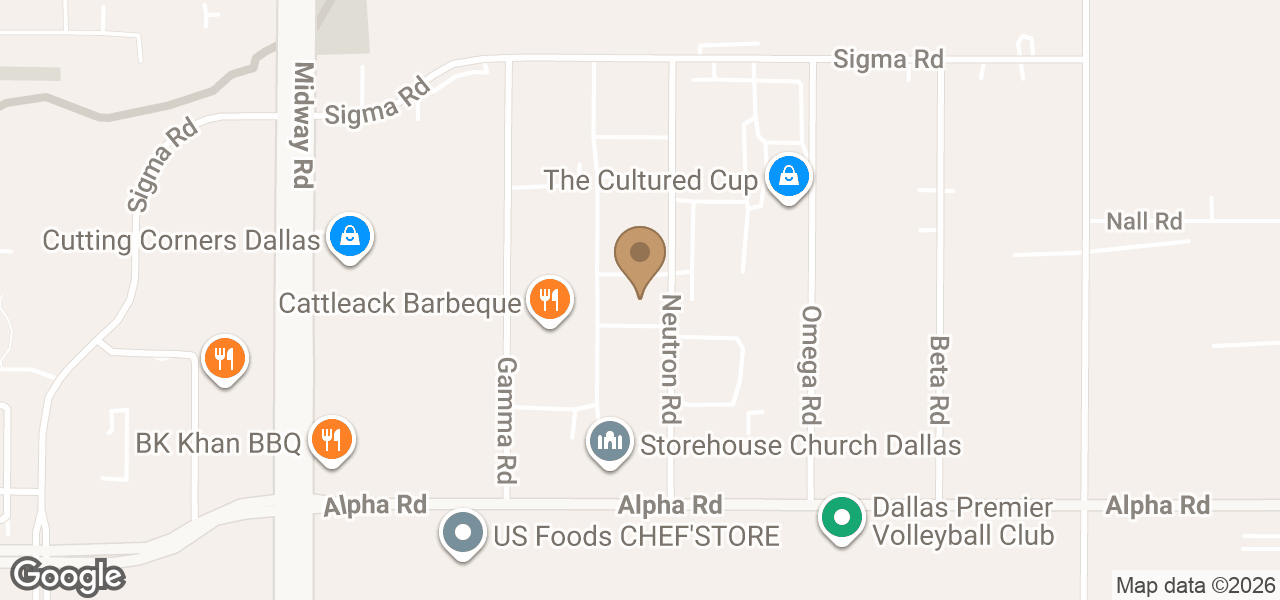
Address: 13701 Neutron Rd, Dallas, TX 75244 (Get directions)
Website: thelsda.com/
Facebook: Lone Star Diamond Academy on Facebook
Instagram: Lone Star Diamond Academy on Instagram
LinkedIn: Lone Star Diamond Academy on LinkedIn
Google: Lone Star Diamond Academy on Google
All services: View all Lone Star Diamond Academy services →
| Monday | 4:00 PM – 9:00 PM |
| Tuesday | 4:00 PM – 9:00 PM |
| Wednesday | 4:00 PM – 8:00 PM |
| Thursday | 4:00 PM – 9:00 PM |
| Friday | 4:00 PM – 9:00 PM |
| Saturday | 8:00 AM – 1:00 PM |
| Sunday | 10:00 AM – 2:00 PM |