Group Training Sessions at Lone Star Diamond Academy
Small group instruction for athletes to develop skills in a competitive environment while receiving expert coaching. · Dallas, TX
Published in partnership with Lone Star Diamond Academy · ← All Lone Star Diamond Academy services
Book online anytime
Lone Star Diamond Academy's Group Training Sessions provide small-group instruction (typically 4-8 athletes) led by experienced coaches who work in collegiate and professional baseball. Athletes develop fundamental and advanced skills through structured drills, live game situations, and competitive exercises while benefiting from peer learning and team dynamics. Sessions are organized by age and skill level to ensure appropriate progression and challenge, with each athlete receiving individualized feedback within the group setting. The academy's indoor and outdoor facilities allow year-round training regardless of weather conditions.
Session options and pricing
| Session | Price | Description |
|---|---|---|
| Single Session Drop-In | $50-60 | Pay-per-session option for trying out groups or occasional attendance |
| 8-Session Package | $320-400 | Multi-session package with per-session savings, typically valid for 2-3 months |
| Monthly Unlimited | $200-300 | Attend unlimited group sessions within the month for committed athletes |
What Are Group Training Sessions and How Do They Work?
Group training sessions are structured skill development programs where small groups of athletes (typically 4-8 players) train together under the guidance of experienced coaches. Unlike team practices that focus on game preparation and team strategy, group training sessions emphasize individual skill refinement within a peer learning environment. Athletes work through progressive curricula covering hitting mechanics, fielding techniques, throwing fundamentals, base running, and game situational awareness.
The group training model combines the personalized attention of private lessons with the competitive dynamics and cost-effectiveness of team training. Coaches organize groups by age and skill level to ensure appropriate instruction and meaningful peer interaction. Sessions follow structured formats that include warm-ups, skill stations, competitive drills, live game situations, and cool-down with feedback. This format allows athletes to receive individualized corrections while learning from watching and competing with peers at similar development stages.
What distinguishes quality group training from basic clinics is the coaching expertise, curriculum progression, and athlete-to-coach ratios. Programs like those at Lone Star Diamond Academy employ coaches with collegiate and professional playing or coaching experience who understand skill development pathways and age-appropriate training methods. The small group format ensures each athlete receives meaningful coaching contact every session while maintaining the motivational benefits of training alongside competitive peers.
Benefits of Group Training vs. Private Lessons and Team Practice
Group training sessions occupy a valuable middle ground between private instruction and team practice. Compared to private lessons, group sessions offer 50-70% cost savings while maintaining quality coaching and individualized feedback. Athletes benefit from peer modeling—watching teammates execute skills correctly reinforces learning and provides multiple reference points beyond the coach's demonstration. The competitive atmosphere naturally pushes athletes to perform at higher levels than they might in isolated private instruction.
Compared to team practices, group training provides more repetitions per athlete and more focused skill development. Team practices necessarily emphasize team concepts, game preparation, and full-squad activities that limit individual skill work. In group training, every drill and exercise is designed for skill refinement with immediate feedback. Athletes receive 3-5 times more individual coaching contact per hour than typical team practices provide, accelerating skill acquisition and mechanical improvement.
The peer learning environment also develops crucial intangible skills that private lessons cannot replicate—learning to compete, maintaining focus amid distractions, communicating with teammates, and handling pressure in front of peers. These psychological skills directly transfer to game performance. Additionally, training alongside peers provides natural benchmarking and motivation; athletes see concrete examples of achievable next-level skills in teammates slightly ahead in development, making goals feel attainable rather than abstract.
What Athletes Can Expect During Group Training Sessions
A typical 60-90 minute session begins with 10-15 minutes of dynamic warm-up focusing on movement patterns essential to baseball—hip mobility, rotational power, arm care exercises, and footwork drills. Coaches assess athletes during warm-ups to identify any movement limitations or areas needing attention that day. This preparation phase reduces injury risk while priming the body for high-quality skill work.
The main training block (35-50 minutes) typically involves 2-4 stations or skill focuses. For hitting-focused sessions, athletes rotate through tee work for mechanical refinement, soft toss for timing and contact point work, live batting practice for pitch recognition, and video analysis for immediate feedback. Fielding sessions include ground ball progressions, reaction drills, transfer and release work, and situational fielding scenarios. Pitchers work through targeted bullpens, mechanical drills, command exercises, and pitch development. Coaches circulate providing specific feedback, making adjustments, and ensuring quality repetitions over rushed quantity.
Sessions conclude with competitive segments and cool-down. Competitive drills (10-20 minutes) apply practiced skills under game-like pressure—situational hitting challenges, fielding competitions, or simulated game scenarios. This phase develops the ability to execute skills when performance matters. The final 5-10 minutes include static stretching, arm care protocols, and coach feedback summarizing key takeaways and practice assignments until the next session. Quality programs provide clear communication about what was worked on, what improved, and what to focus on independently.
Choosing the Right Group Training Program for Your Athlete
The quality of group training varies dramatically based on coaching expertise, facility resources, group organization, and curriculum design. Look for programs led by coaches with legitimate playing or coaching experience at competitive levels—collegiate, professional, or sustained success at elite youth levels. Credentials matter less than coaching ability, but experience provides the pattern recognition to diagnose issues quickly and the credibility to communicate effectively with developing athletes.
Assess how programs organize groups and manage skill level diversity. Quality programs separate athletes by both age and ability, ensuring groups train at appropriate intensity and complexity. A 10-year-old beginner should not train alongside a 16-year-old advanced player regardless of sport. Ask about maximum group sizes—anything beyond 8 athletes per coach compromises individual attention. Observe whether coaches actively coach or merely supervise; effective coaches constantly provide feedback, make adjustments, and engage athletes throughout sessions.
Evaluate facility quality and equipment availability. Year-round programs require indoor facilities with adequate space, proper surfaces, and professional-grade equipment. Athletes should have sufficient room for full-effort swings, throws, and movements without modification. The best programs use technology like video analysis, HitTrax, or Rapsodo to provide objective feedback alongside coach observation. Finally, assess curriculum structure—random activities signal recreational programming rather than serious development. Quality programs follow progressive curricula where skills build systematically week-to-week and month-to-month, ensuring athletes advance through clear developmental stages rather than repeating the same basic drills indefinitely.
What's Included
Expert Coaching from Experienced Instructors: Instruction from coaches with collegiate and professional baseball experience who provide individualized feedback within the group setting
Structured 60-90 Minute Training Sessions: Comprehensive sessions including dynamic warm-ups, skill station work, competitive drills, and game situation practice with cool-down
Age and Skill-Appropriate Groupings: Small groups (4-8 athletes) organized by age and ability level to ensure appropriate instruction and meaningful peer interaction
Access to Professional Training Facilities: Year-round training in indoor and outdoor facilities with professional-grade equipment, training tools, and technology
Progressive Skill Development Curriculum: Structured training programs that build week-to-week rather than random drills, ensuring systematic skill advancement
Bottom line: While formal research on group vs. individual sports training is limited, educational and sports psychology research consistently shows that peer learning environments enhance motivation, skill retention, and performance under pressure when combined with expert instruction and appropriate skill-level grouping.
Sport psychology research on observational learning (Bandura's Social Learning Theory) and peer modeling in skill acquisition; educational research on cooperative learning structures showing benefits of mixed instruction and peer interaction for skill development and motivation (Johnson & Johnson, Cooperative Learning research).
Who Is Group Training Sessions Good For?
Good candidates: Group training sessions are ideal for youth athletes ages 7-18 who play or aspire to play competitive baseball including recreational, select/travel ball, high school, and showcase levels. Perfect for players who want expert coaching at a more accessible price point than private lessons, who are self-motivated to improve, and who thrive in competitive peer environments. Particularly beneficial for athletes developing fundamental skills, preparing for tryouts or upcoming seasons, or maintaining skills during off-season. Also excellent for athletes transitioning between competitive levels who need focused skill work to meet new demands.
Who should consult a doctor first: Athletes recovering from injuries should consult with medical professionals and obtain clearance before participating in group training, then inform coaches of any movement restrictions or modifications needed. Players with significant mechanical issues or ingrained bad habits may benefit from private instruction initially to address major flaws before group training, as group settings provide less time for extensive mechanical rebuilding. Very young athletes (under 7) or complete beginners may need introductory individual instruction to learn basic safety and fundamental movement patterns before joining group environments.
General safety: Group training sessions involve athletic movement including running, throwing, hitting, and fielding with inherent injury risk common to baseball activities. Quality programs implement proper warm-up protocols, enforce safety rules, and maintain appropriate athlete-to-coach ratios for adequate supervision. Athletes should disclose any existing injuries, physical limitations, or medical conditions to coaches. Proper equipment including well-fitting gloves and appropriate footwear reduces injury risk. Parents should ensure athletes are adequately hydrated and fueled for training sessions. Reputable academies maintain liability insurance and require signed waivers acknowledging activity risks.
Frequently Asked Questions
How much do Group Training Sessions cost at Lone Star Diamond Academy?
Group training sessions typically range from $35-$60 per athlete per session, depending on session length and group size. Multi-session packages and monthly memberships offer better value, often reducing per-session costs by 15-25%. Pricing varies by age group and program intensity, with elite competitive groups sometimes priced higher due to specialized coaching. Contact the academy directly for current rates and package options, as seasonal promotions are frequently available.
How many athletes are in each group training session?
Group sizes typically range from 4-8 athletes to maintain quality instruction and individual attention. Groups are organized by age, skill level, and position to ensure athletes train with appropriate peers. Smaller groups (4-5 athletes) allow more individualized feedback, while larger groups (6-8) provide more competitive dynamics and game-situation variety. The academy caps group sizes to ensure every athlete receives meaningful coaching contact during each session.
What happens during a typical group training session?
Sessions typically last 60-90 minutes and begin with dynamic warm-ups and movement preparation. Athletes then work through skill-specific stations focusing on hitting, fielding, throwing, or pitching fundamentals. The middle portion includes competitive drills and game-situation exercises where athletes apply skills under pressure. Sessions conclude with cool-down and coach feedback. Each session follows a structured curriculum that builds week-to-week, ensuring progressive skill development rather than random drills.
Who are the group training sessions best for?
These sessions are ideal for athletes ages 7-18 who play or aspire to play competitive baseball, including select/travel ball, high school, and showcase levels. They're perfect for players who want expert coaching at a more accessible price point than private lessons, and who thrive in competitive peer environments. Athletes should have basic understanding of the game and be committed to skill improvement. Players seeking highly specialized work on specific mechanical issues may benefit more from private instruction initially.
How often should my athlete attend group training sessions?
For measurable improvement, most athletes attend 1-3 sessions per week. Younger players (7-12) typically see good progress with 1-2 sessions weekly, while older competitive athletes (13-18) often attend 2-3 times per week, especially during off-season. Consistency matters more than frequency—attending once weekly year-round produces better results than intensive training for a few weeks before season. Coaches can assess your athlete's current level and goals to recommend an optimal training frequency.
Can my child try a group session before committing to a package?
Yes, most academies including Lone Star Diamond Academy offer trial sessions or drop-in options so athletes can experience the training environment and coaching style before purchasing multi-session packages. This allows both athlete and parent to assess group fit, coaching quality, and facility quality. Contact the academy to schedule an evaluation or trial session—coaches can also recommend the most appropriate group based on your athlete's age and skill level.
What should my athlete bring to group training sessions?
Athletes should bring their own glove, bat (if a hitter), and appropriate athletic shoes with molded cleats or turf shoes. Wear comfortable athletic clothing suitable for baseball movements. Bring a water bottle for hydration throughout the session. The academy provides balls, protective equipment, and specialized training tools. For first sessions, arrive 10 minutes early to complete any paperwork and allow the coach to assess your athlete's current skill level and goals.
How quickly will my athlete see improvement from group training?
Most athletes show noticeable improvement in mechanics and confidence within 4-6 weeks of consistent attendance (1-2 times per week). Younger athletes often progress faster in fundamental areas, while older athletes refining advanced skills may take 8-12 weeks to see significant changes. Improvement depends on practice outside sessions, coachability, and current skill level. Coaches provide regular progress updates and can adjust training focus based on development. Maximum benefit comes from combining group sessions with team practices and individual practice time.
Book online anytime
Contact & Location
Book online: Book Group Training Sessions at Lone Star Diamond Academy →
Phone: (469) 713-1765
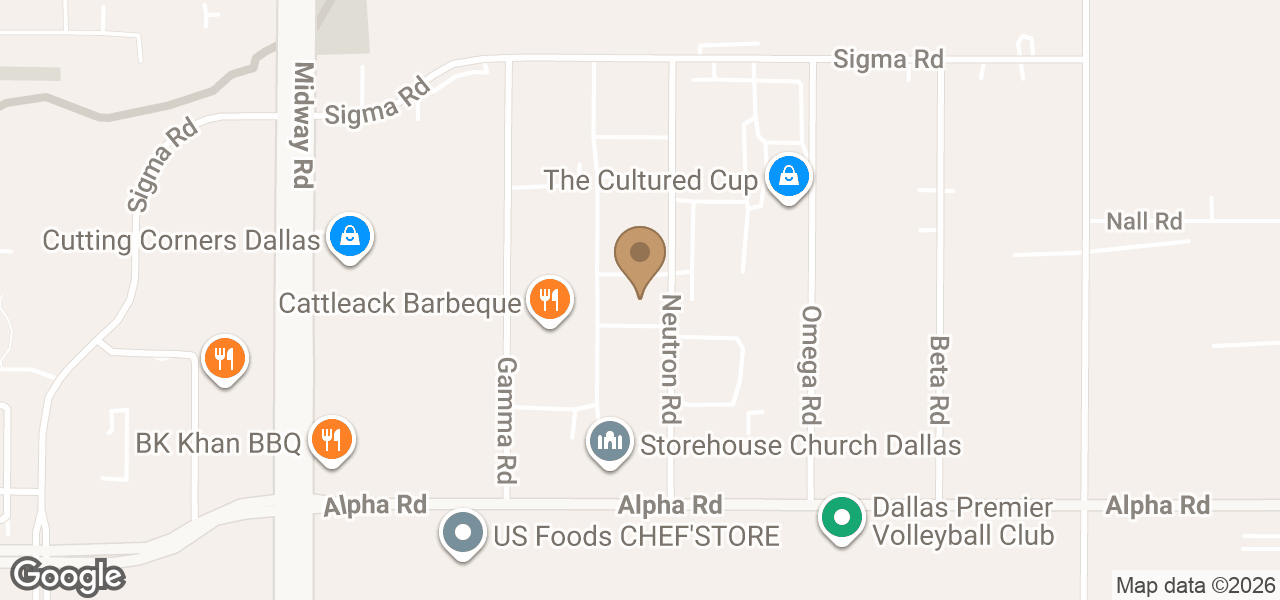
Address: 13701 Neutron Rd, Dallas, TX 75244 (Get directions)
Website: thelsda.com/
Facebook: Lone Star Diamond Academy on Facebook
Instagram: Lone Star Diamond Academy on Instagram
LinkedIn: Lone Star Diamond Academy on LinkedIn
Google: Lone Star Diamond Academy on Google
All services: View all Lone Star Diamond Academy services →
| Monday | 4:00 PM – 9:00 PM |
| Tuesday | 4:00 PM – 9:00 PM |
| Wednesday | 4:00 PM – 8:00 PM |
| Thursday | 4:00 PM – 9:00 PM |
| Friday | 4:00 PM – 9:00 PM |
| Saturday | 8:00 AM – 1:00 PM |
| Sunday | 10:00 AM – 2:00 PM |