Commercial Construction at Artisan Construction, Inc.
New construction and tenant fit-outs for medical offices, hospitality facilities, institutional buildings, and professional office spaces. · Charlottesville, VA
Published in partnership with Artisan Construction, Inc. · ← All Artisan Construction, Inc. services
Book online anytime
Artisan Construction, Inc. delivers commercial construction services including ground-up new construction and tenant fit-outs for medical offices, hospitality facilities, institutional buildings, and professional office spaces. Their team manages projects from initial design consultation through final occupancy, coordinating architecture, engineering, permitting, and construction trades to deliver functional, code-compliant spaces. With experience in specialized commercial sectors, they handle the unique requirements of medical build-outs (infection control, patient privacy, medical gas systems), hospitality projects (guest experience, ADA compliance, commercial kitchen installations), and professional offices (open floor plans, technology infrastructure, modern finishes).
Session options and pricing
| Session | Price | Description |
|---|---|---|
| Tenant Fit-Out | $100-$200/sq ft | Professional office build-outs with standard finishes, 2,000-5,000 sq ft typical range |
| Medical Office Build-Out | $250-$400/sq ft | Complete medical office construction including specialized systems and compliance requirements |
| Ground-Up Commercial | $200-$350/sq ft | New commercial building construction including sitework, structure, and complete interior finishes |
What Is Commercial Construction?
Commercial construction encompasses building projects designed for business use rather than residential living. This includes new ground-up construction of commercial buildings, tenant improvements (fit-outs) where interior spaces are customized for specific business needs, and renovations of existing commercial properties. Commercial projects are governed by commercial building codes, zoning regulations, ADA accessibility requirements, and industry-specific standards that differ significantly from residential construction.
The commercial construction process begins with pre-construction planning including site analysis, design development, budgeting, and permitting. Construction phases include sitework and foundations (for new buildings), structural framing, mechanical/electrical/plumbing (MEP) rough-in, interior finishes, and final inspections. Commercial projects require coordination among multiple specialized trades, compliance with commercial building codes and fire safety regulations, and often need to meet specific industry standards—medical offices must comply with healthcare facility requirements, restaurants need commercial kitchen approvals, and office buildings must meet accessibility and life safety codes.
Different commercial sectors have unique construction requirements. Medical offices require HIPAA-compliant layouts, medical gas systems, specialized ventilation, and infection control measures. Hospitality projects demand guest experience design, commercial kitchen installations, and high-durability finishes. Professional offices need technology infrastructure, flexible workspace layouts, and modern amenities. Institutional buildings must meet strict accessibility, safety, and use-specific codes. Experienced commercial contractors understand these nuances and ensure projects meet all regulatory and functional requirements.
Commercial vs. Residential Construction
Commercial construction differs from residential work in scale, complexity, and regulatory requirements. Commercial projects operate under International Building Code (IBC) standards rather than residential codes, require commercial-grade materials and systems rated for higher use and durability, must meet ADA accessibility requirements, need commercial fire suppression and alarm systems, and involve more complex MEP systems. Commercial contracts are typically more detailed with stricter milestone schedules and performance requirements.
The expertise required is also different. Commercial contractors must understand commercial building codes and occupancy classifications, coordinate multiple specialized subcontractors and trades, navigate commercial permitting and inspection processes, manage longer project timelines with phase scheduling, and work with architects, engineers, and project managers. Commercial projects often require bonding and insurance at higher levels than residential work. The construction methods, materials, and standards are designed for business use, higher occupancy loads, and commercial durability requirements that residential construction doesn't face.
The Commercial Construction Process
A successful commercial project follows a structured process. Pre-construction includes initial consultation and needs assessment, design development with architects and engineers, budget estimation and value engineering, permitting and regulatory approvals, and subcontractor bidding and selection. Many commercial contractors offer preconstruction services to help owners make informed decisions about design, materials, and budget before breaking ground.
During construction, the process includes site preparation and utilities (for new construction), foundation and structural work, MEP rough-in (mechanical, electrical, plumbing systems), interior framing and drywall, finishes including flooring, ceilings, paint, and millwork, final systems installation (HVAC, lighting, data), and punch list completion and inspections. Throughout construction, the general contractor coordinates daily activities, manages the schedule and budget, conducts safety oversight, communicates progress to the owner, and handles inspections and code compliance. Weekly or bi-weekly owner meetings keep all stakeholders informed and allow timely decision-making on materials, finishes, and any needed changes.
Choosing a Commercial Contractor
Selecting the right commercial contractor is critical to project success. Key qualifications include experience in your building type (medical, hospitality, office, institutional), proper licensing and commercial insurance, bonding capacity for your project size, references from similar projects, and proven ability to manage schedules and budgets. Review their portfolio to ensure they've completed projects of similar scope, complexity, and industry sector.
During contractor selection, ask about their approach to project management and communication, how they handle changes and unforeseen conditions, their typical subcontractor relationships and quality control processes, their safety record and protocols, and their warranty and post-construction support. Commercial construction is relationship-based—you'll work closely with your contractor for months. Choose a team that communicates clearly, demonstrates problem-solving ability, and has the expertise specific to your building type. The lowest bid isn't always the best value; experience, reliability, and quality workmanship often save money by avoiding delays, rework, and post-occupancy issues.
What's Included
Complete Project Management: From design consultation through final occupancy, coordinating all trades, permits, inspections, and timeline
Permitting and Code Compliance: Building permit applications, regulatory approvals, inspection scheduling, and certificate of occupancy
MEP Systems Installation: Mechanical, electrical, and plumbing systems including HVAC, lighting, data infrastructure, and specialized systems
Interior Build-Out: Framing, drywall, flooring, ceilings, millwork, paint, finishes, and all interior construction to your specifications
Specialized Sector Expertise: Medical office systems and compliance, hospitality finish standards, institutional accessibility, professional office technology
Bottom line: Commercial construction success depends on experienced project management, sector-specific expertise, and thorough understanding of commercial codes and regulations. Industry data shows that contractors with specialized experience in medical, hospitality, or institutional sectors deliver better outcomes in those building types compared to generalist contractors, primarily due to familiarity with unique systems, regulatory requirements, and functional needs.
Associated General Contractors of America (AGC) commercial construction standards, International Building Code (IBC) commercial requirements, ADA accessibility guidelines for commercial facilities, and industry studies on commercial project delivery methods and performance metrics.
Who Is Commercial Construction Good For?
Good candidates: Business owners and property managers planning medical office build-outs, hospitality facility construction, institutional building projects, professional office tenant improvements, ground-up commercial buildings, or multi-phase commercial renovations who need experienced project management and sector-specific expertise.
Who should consult a doctor first: Projects requiring specialized consultants (structural engineers for major renovations, healthcare planners for large medical facilities, or environmental assessments for certain property types) should involve those professionals during the planning phase. Properties with environmental concerns, complex zoning issues, or historic preservation requirements need additional due diligence before construction begins.
General safety: Commercial construction sites follow OSHA safety regulations and require proper site security, especially in occupied buildings. Reputable commercial contractors maintain safety protocols, insurance coverage, and coordination with building occupants to minimize disruption and ensure safe working conditions. All work should meet current commercial building codes and life safety requirements.
Frequently Asked Questions
How much does commercial construction cost per square foot?
Commercial construction costs typically range from $150-$400+ per square foot depending on the building type, finishes, and complexity. Medical offices with specialized systems (medical gas, infection control) run higher at $250-$400/sq ft. Professional office tenant fit-outs average $100-$200/sq ft for standard finishes, while hospitality projects with commercial kitchens and high-end finishes range $200-$350/sq ft. Institutional buildings vary widely based on use and regulatory requirements. We provide detailed cost estimates during the planning phase based on your specific scope, finishes, and timeline.
How long does a commercial construction project take?
Timeline depends on project size and complexity. A 2,000-3,000 sq ft tenant fit-out typically takes 3-5 months from permits to occupancy. Ground-up commercial buildings of 5,000-10,000 sq ft average 8-14 months including design, permitting, and construction. Medical office build-outs often require 4-6 months due to specialized systems and inspections. Hospitality projects with commercial kitchens need 6-10 months. We create detailed project schedules during planning and provide regular updates throughout construction to keep you informed of progress and any timeline adjustments.
What's included in a tenant fit-out?
Tenant fit-outs include demolition of existing space, new interior framing and walls, electrical and data infrastructure, HVAC systems, plumbing, flooring, ceiling systems, lighting, paint and finishes, millwork and built-ins, door and hardware installation, and final cleaning. For medical offices, we add medical gas systems, specialized ventilation, exam room build-outs, and infection control barriers. Professional offices include conference rooms, open workspace layouts, break rooms, and technology integration. We coordinate all trades, manage inspections, and ensure code compliance for certificate of occupancy.
Do you handle permitting and inspections?
Yes, we manage the entire permitting and inspection process. This includes preparing and submitting building permit applications, coordinating with local building departments, scheduling required inspections (structural, electrical, plumbing, mechanical, fire safety), addressing any inspector comments or corrections, and obtaining the final certificate of occupancy. We're familiar with commercial building codes, ADA requirements, fire safety regulations, and local zoning ordinances. Our experience with municipal processes helps avoid delays and ensures your project meets all regulatory requirements.
What makes medical office construction different from standard office build-outs?
Medical office construction requires specialized knowledge of healthcare regulations and systems. This includes HIPAA-compliant layouts ensuring patient privacy, medical gas systems (oxygen, vacuum, compressed air), specialized HVAC with proper ventilation and filtration, infection control measures and cleanable surfaces, exam room construction with medical equipment mounting, accessible patient restrooms meeting ADA requirements, waiting areas with patient flow considerations, and compliance with state medical board facility requirements. We coordinate with medical equipment vendors and understand the unique workflow needs of different medical specialties.
Can you work with my architect or do you provide design services?
We work both ways. If you have an architect, we collaborate with them during the design phase to provide constructability input, value engineering, and cost estimating. If you don't have design plans, we can connect you with trusted architects and designers we've worked with on similar projects, or provide design-build services where we manage both design and construction under one contract. Our early involvement in the design process often saves time and money by identifying potential issues before construction begins.
How do you minimize disruption if we're renovating an occupied building?
For tenant improvements in occupied buildings, we create phased construction plans that allow portions of the building to remain operational. Strategies include scheduling noisy work during off-hours, installing temporary dust barriers and air filtration, creating separate construction entrances, coordinating deliveries during low-traffic times, and maintaining clear communication with building management and adjacent tenants. For medical facilities, we're especially careful about infection control and patient safety during construction, using negative air pressure and sealed barriers when required.
What happens if we need changes during construction?
Change orders are common in commercial construction. When you request a change, we provide a detailed written change order describing the modification, cost impact, and schedule impact before proceeding. Our project management system tracks all changes to maintain budget transparency. We recommend making decisions as early as possible, as changes become more expensive once work is underway. During weekly progress meetings, we discuss upcoming decisions to give you time to review options before they impact the schedule.
Book online anytime
Contact & Location
Book online: Book Commercial Construction at Artisan Construction, Inc. →
Phone: (434) 979-6399
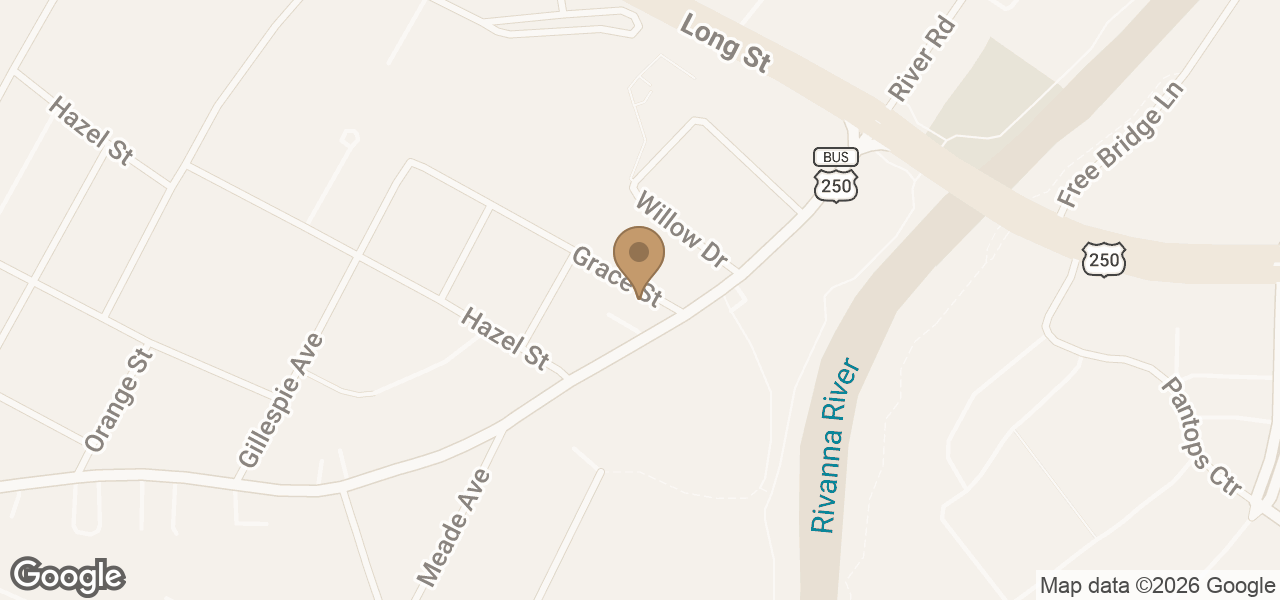
Address: 1513 E High St, Charlottesville, VA 22902 (Get directions)
Website: artisaninc.com/
Facebook: Artisan Construction, Inc. on Facebook
LinkedIn: Artisan Construction, Inc. on LinkedIn
Google: Artisan Construction, Inc. on Google
All services: View all Artisan Construction, Inc. services →
| Mon | 8:00 AM – 5:00 PM |
| Tue | 8:00 AM – 5:00 PM |
| Wed | 8:00 AM – 5:00 PM |
| Thu | 8:00 AM – 5:00 PM |
| Fri | 8:00 AM – 5:00 PM |
| Sat | Closed |
| Sun | Closed |