Guided Fly Fishing Trips - Virginia Blue Ridge at Albemarle Angler
Guided trips on Virginia's mountain streams and rivers for native brook trout, smallmouth bass, and other species, with expert instruction and local knowledge. · Charlottesville, VA
Published in partnership with Albemarle Angler · ← All Albemarle Angler services
Book online anytime
Albemarle Angler's guided fly fishing trips are led by experienced Virginia-based guides with deep knowledge of Blue Ridge mountain streams, freestone rivers, and tailwaters throughout central Virginia. Each trip is customized to your skill level and target species—whether pursuing native brook trout in high-elevation headwaters, smallmouth bass on the James River, or wild browns and rainbows on spring creeks. Guides provide all flies, terminal tackle, and instruction, using techniques specific to Virginia's diverse waters. Trips focus on low-pressure mountain streams and lesser-known access points, offering an authentic Appalachian fly fishing experience with personal attention in small groups or one-on-one sessions.
Session options and pricing
| Session | Price | Description |
|---|---|---|
| Half-Day Trip (1 Angler) | $275-$350 | 4-5 hours on the water, all flies and terminal tackle included, instruction tailored to skill level |
| Full-Day Trip (1 Angler) | $425-$500 | 8 hours exploring multiple productive spots, includes all flies and tackle, lunch break (bring your own food or arrange with guide) |
| Additional Angler | +$75-$100 | Per additional person on half-day or full-day trips, maximum 2-3 anglers per guide depending on water type |
Virginia Blue Ridge Fly Fishing: World-Class Waters in Appalachia
The Virginia Blue Ridge offers some of the East Coast's most diverse and productive fly fishing, with over 2,800 miles of wild trout streams, legendary smallmouth bass rivers, and a rich Appalachian fly fishing heritage. From high-elevation headwaters holding native Southern Appalachian brook trout to the famed James River smallmouth fishery, Virginia provides year-round opportunities in stunning mountain settings. The region's geology creates hundreds of cold, clean freestone streams fed by mountain springs, while limestone influences in the Shenandoah Valley produce fertile spring creeks with prolific insect hatches.
Guided trips unlock the region's potential by providing access to productive water that visiting anglers struggle to locate on their own. Virginia's best streams are often gated on private land, tucked up remote forest service roads, or require knowledge of seasonal access restrictions. Experienced guides have spent years building landowner relationships, scouting tributaries, and learning which techniques work on specific waters. They understand seasonal patterns—when the Sulphurs emerge on Mossy Creek, when the James River smallmouth move to summer ledges, when high-country brookies feed aggressively before winter. This accumulated knowledge transforms a day of random prospecting into focused, productive fishing.
Native Brook Trout: Fishing Virginia's Mountain Heritage
The Southern Appalachian brook trout is Virginia's only native trout, inhabiting cold headwater streams above 2,500 feet where they've lived since the last ice age. These jewel-toned fish—olive backs with vermillion spots haloed in blue, white-edged fins, and orange bellies—represent an intact lineage of wild fish in pristine habitat. Brook trout streams are typically small, tumbling mountain creeks flowing through rhododendron tunnels and over moss-covered boulders, requiring short, precise casts and stealthy approaches. Fish average 6-10 inches, with occasional 12-inch specimens considered trophies.
Guided brook trout trips often involve moderate hikes into George Washington or Jefferson National Forest, accessing streams with minimal fishing pressure. Techniques include high-stick nymphing with small bead-head flies, dry-dropper rigs during summer terrestrial season, and skating caddis in pocket water. Guides know which drainages hold the densest populations, which tributaries maintain cold temps during summer, and how to approach spooky fish in gin-clear water. These trips offer not just fishing but immersion in wild Appalachian ecosystems where brook trout are indicator species for forest health.
Smallmouth Bass: Virginia's Premier Warm-Water Fly Fishing
The James River system and Shenandoah watershed offer some of the finest smallmouth bass fly fishing in North America, with healthy populations of aggressive fish in scenic, wadeable rivers. Virginia smallmouth are strong fighters that readily take flies, with average fish ranging 10-14 inches and trophy fish exceeding 18 inches. Prime season runs from May through October, when smallmouth are active in riffles, pools, and around submerged boulders. The James River particularly shines in summer when trout streams run warm and low.
Fly fishing for smallmouth involves different techniques than trout fishing—longer leaders, heavier tippet, and flies that imitate crayfish, baitfish, and large aquatic insects. Clouser minnows, woolly buggers, and popping bugs are staples. Guides position you to work productive structure: current seams, ledge drop-offs, shaded undercut banks. Unlike trout, smallmouth often require stripping retrieves and can be caught on consecutive drifts through the same lie. The topwater bite during summer evenings ranks among fly fishing's most thrilling experiences, with explosive strikes on deer-hair poppers as the sun drops behind forested ridges.
What to Expect: The Guided Fly Fishing Experience
A typical guided trip begins with meeting your guide at a designated spot—often Albemarle Angler's shop or a convenient trailhead. After introductions and a brief discussion of your experience level, target species, and goals, you'll carpool to the selected water (guides monitor conditions daily and choose destinations accordingly). Some trips involve roadside access; others require 15-45 minute hikes. Once on the water, your guide rigs rods, selects flies based on current conditions and recent success, and begins instruction tailored to your skill level.
Throughout the day, guides provide continuous coaching: demonstrating casting techniques, explaining how to read water and identify holding lies, adjusting rigs and flies as conditions change, and helping you land and release fish properly. Expect to cover water efficiently, moving between productive runs and pools rather than spending excessive time in unproductive stretches. Half-day trips typically focus on one or two stream sections; full-day trips may explore multiple waters or cover more water on a single river. The emphasis balances catching fish with building skills that serve you beyond the guided trip. Guides also share natural history, local lore, and conservation context that deepens appreciation for these remarkable fisheries.
What's Included
Expert Local Guide: Experienced Virginia guide with intimate knowledge of Blue Ridge streams, seasonal patterns, and productive techniques for both trout and smallmouth
All Flies & Terminal Tackle: Complete selection of proven fly patterns matched to current hatches and conditions, plus leaders, tippet, indicators, and split shot
Watercraft & Stream Instruction: Hands-on teaching covering casting, mending, drift management, reading water, knot tying, and species-specific presentation techniques
Access to Premium Water: Private stream access, low-pressure public waters, and remote locations not easily found by unguided anglers
Transportation to Fishing Locations: Guide provides vehicle transport to selected streams and rivers (you'll leave your vehicle at the meeting point)
Bottom line: Guided fly fishing has been shown to significantly accelerate skill development, increase catch rates, and improve long-term angler retention compared to self-taught methods, while providing low-impact recreation in sensitive mountain ecosystems when practiced with ethical catch-and-release techniques.
Studies published in the North American Journal of Fisheries Management document that guided instruction reduces the learning curve for fly fishing by an estimated 50-70% compared to unguided learning. Virginia Department of Wildlife Resources surveys indicate that trout populations in Blue Ridge streams remain stable or increasing under current angling pressure with proper catch-and-release practices. The American Fly Fishing Trade Association reports that guided experiences are the strongest predictor of continued participation in fly fishing.
Who Is Guided Fly Fishing Trips - Virginia Blue Ridge Good For?
Good candidates: Guided trips are ideal for visiting anglers unfamiliar with Virginia waters, beginners wanting to learn fly fishing fundamentals in productive settings, intermediate anglers looking to refine techniques, and experienced anglers who want to maximize time on the water by leveraging local expertise. Families with children (ages 8+), couples, and small groups of friends all enjoy customized trips. Those interested in native brook trout, wild trout on technical spring creeks, or aggressive smallmouth bass fishing will find excellent opportunities.
Who should consult a doctor first: Trips can be physically demanding depending on destination. Discuss any mobility limitations, cardiovascular conditions, or balance concerns with your guide beforehand so appropriate water can be selected. High-elevation hikes may be challenging for those unaccustomed to mountain terrain. Individuals with severe sun sensitivity should take extra precautions, as much fishing occurs in open or partially shaded water. Those with fish or insect allergies should inform guides. If you have specific physical limitations, your guide can often accommodate by selecting easier-access water.
General safety: Virginia mountain streams can present hazards including slippery rocks, sudden weather changes at elevation, and cold water temperatures. Wearing a wading belt and appropriate footwear with good traction is essential. Guides are trained in first aid and familiar with emergency access points. Cell service is limited in remote areas. Hypothermia risk exists in early spring and late fall; dress in layers and bring rain gear. Ticks are common in Virginia forests from April through October—perform tick checks after trips. Lightning is a serious risk during summer afternoon thunderstorms; guides monitor weather and will leave the water if storms approach. Follow all guide instructions regarding wading safety and water navigation.
Frequently Asked Questions
How much does a guided fly fishing trip with Albemarle Angler cost?
Half-day trips (4-5 hours) typically range from $250-$350 for one angler, with additional anglers at $75-$100 per person. Full-day trips (8 hours) range from $400-$500 for one angler. Rates vary by season, destination, and group size. All flies and terminal tackle are included. Rod, reel, and wader rentals are available for an additional fee if you don't have your own equipment. Multi-day packages and lodging referrals can be arranged.
What should I expect on my first guided trip?
Your guide will meet you at a predetermined location (often a local fly shop or trailhead) and will have scouted conditions beforehand. After discussing your experience level and goals, you'll drive or hike to the selected water—sometimes remote mountain streams requiring short hikes. The guide will demonstrate techniques, recommend fly patterns based on current conditions, and provide hands-on instruction throughout the day. Expect to move between several productive spots, learning to read water and present flies effectively. Trips are paced to your comfort level, whether you're learning basic casting or refining Euro nymphing.
What species can I target on Virginia Blue Ridge fly fishing trips?
Virginia's Blue Ridge offers remarkable diversity. Native brook trout inhabit high-elevation streams above 2,500 feet and are a highlight of the region. Wild brown and rainbow trout thrive in medium-elevation freestone streams and spring creeks. Smallmouth bass are abundant in the James River and Shenandoah watershed, especially from May through October. Seasonal runs of shad and other migratory species occur in spring. Your guide will recommend target species based on season, recent conditions, and your interests.
What is the best season for guided fly fishing in Virginia?
Virginia offers year-round fly fishing with distinct seasonal opportunities. Spring (March-May) brings excellent hatches and active trout, plus smallmouth bass coming alive as water warms. Summer (June-August) is ideal for high-elevation brook trout fishing where streams stay cool, and for warm-water species like smallmouth. Fall (September-November) offers outstanding fishing with aggressive pre-spawn trout, stunning fall color, and excellent smallmouth action. Winter (December-February) provides solitude and technical midge fishing on tailwaters. Each season has unique appeal depending on target species.
Do I need my own equipment, or can I rent from the guide?
You're welcome to bring your own rod, reel, waders, and boots if you have them. If not, quality rental equipment is available—most guides provide or can arrange 9-foot 5-weight rods (standard trout setup) or 9-foot 6-weight rods (for smallmouth), reels, waders, and boots for a rental fee of $25-$50 per day. All flies, leaders, tippet, strike indicators, and split shot are included in your trip cost. If you're new to fly fishing, starting with rental gear is a great way to learn what you like before investing in your own setup.
How physically demanding are the trips?
Trip difficulty varies widely and can be customized. Some destinations involve easy roadside access with minimal walking. High-elevation brook trout streams may require moderate hikes of 1-3 miles with elevation gain on mountain trails. Wading difficulty ranges from ankle-deep riffles to knee-deep pocket water with moderate current. Let your guide know your physical limitations and preferences—they'll select appropriate water and can always adjust the plan. Most clients of average fitness handle the trips comfortably.
Are there any restrictions or requirements for guided fly fishing in Virginia?
You must have a valid Virginia freshwater fishing license, available online or at local retailers (around $23 for a 5-day non-resident license, $47 annual). A National Forest stamp ($5) is required if fishing certain streams in George Washington and Jefferson National Forests. Virginia has standard trout regulations with some special regulation waters (catch-and-release, single-hook artificial only). Your guide will ensure you're fishing legally and ethically. Some private water access requires additional permission, which guides arrange. Children under 16 fish free but must be supervised.
How soon will I start catching fish, especially as a beginner?
Most beginners catch fish on their first guided trip, often within the first hour once basic casting and drift management are learned. Virginia's native brook trout are generally willing, and summer smallmouth bass are aggressive. Success depends on conditions, season, and species targeted—technical spring creek browns may be more challenging than freestone rainbows. Guides prioritize both catching fish and building skills, balancing immediate success with long-term development. Even in tougher conditions, you'll learn water-reading and presentation skills that serve you for years.
Book online anytime
Contact & Location
Book online: Book Guided Fly Fishing Trips - Virginia Blue Ridge at Albemarle Angler →
Phone: (434) 977-6882
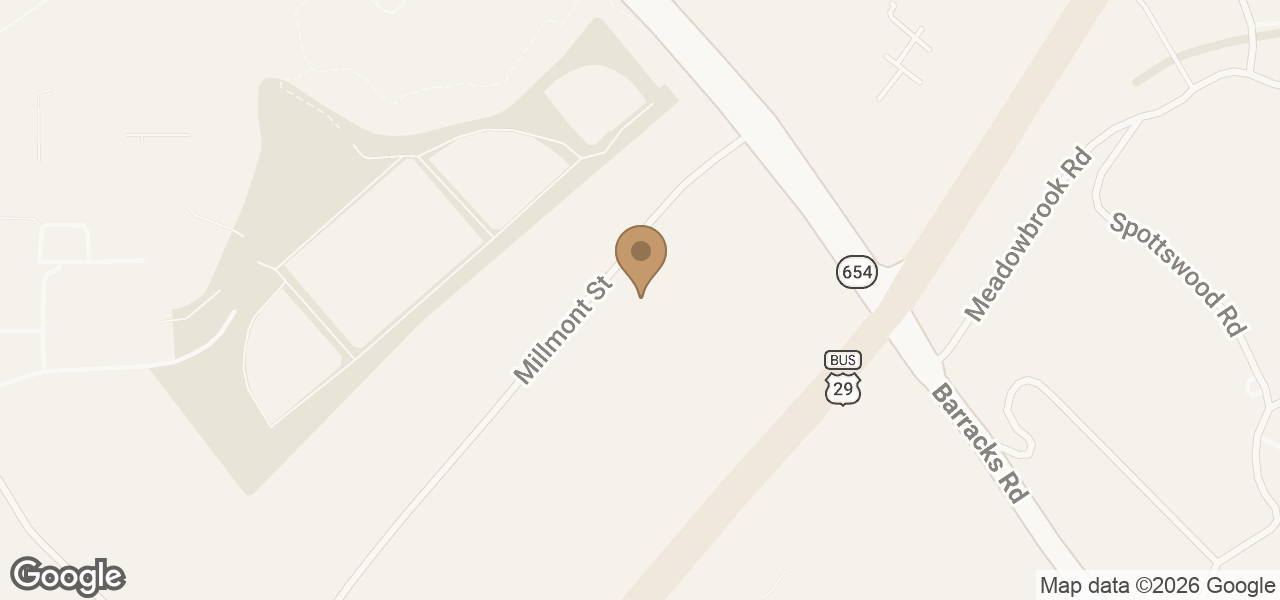
Address: 1129 Emmet St N, Charlottesville, VA 22903 (Get directions)
Website: albemarleangler.com/
Facebook: Albemarle Angler on Facebook
Instagram: Albemarle Angler on Instagram
Google: Albemarle Angler on Google
All services: View all Albemarle Angler services →
| Mon | 11:00 AM – 6:00 PM |
| Tue | 11:00 AM – 6:00 PM |
| Wed | 11:00 AM – 6:00 PM |
| Thu | 11:00 AM – 6:00 PM |
| Fri | 11:00 AM – 6:00 PM |
| Sat | 11:00 AM – 6:00 PM |
| Sun | 12:00 PM – 5:00 PM |