Beginner Fly Fishing Instruction at Albemarle Angler
Hands-on instruction for new anglers covering gear selection, casting basics, fly selection, and beginner-friendly local waters. · Charlottesville, VA
Published in partnership with Albemarle Angler · ← All Albemarle Angler services
Book online anytime
Beginner fly fishing instruction at Albemarle Angler is led by experienced local guides who know the region's rivers and streams intimately. Sessions include personalized casting instruction using quality loaner gear, guidance on reading water and selecting appropriate flies for local conditions, and hands-on practice in beginner-friendly waters around Charlottesville. Instructors tailor the pace and approach to each student's learning style, ensuring new anglers build confidence and fundamental skills that translate to successful independent fishing.
Session options and pricing
| Session | Price | Description |
|---|---|---|
| Half-Day Private Instruction | $275 | 3-4 hours of one-on-one instruction covering casting basics, gear, and local water knowledge. All equipment included. |
| Full-Day Private Instruction | $425 | 6-8 hours of comprehensive instruction with time for advanced techniques and fishing multiple locations. All equipment and lunch included. |
| Group Lesson (2-4 people) | $150/person | Half-day group instruction for small groups. Great for friends or families learning together. All equipment provided. |
What Makes Fly Fishing Different from Other Angling
Fly fishing differs fundamentally from conventional fishing in how the line and lure are cast. In spin fishing or baitcasting, the weight of the lure pulls light line off the reel. In fly fishing, the weighted line itself is cast, carrying the nearly weightless fly to the target. This reversal requires learning a new casting technique but offers unmatched presentation delicacy and the ability to fish with tiny imitations of insects and small baitfish.
The sport emphasizes understanding aquatic insect life cycles, reading water currents and structure, and presenting flies that imitate natural food sources with realistic movement. Fly fishing excels in streams and rivers where fish feed on drifting insects, though techniques exist for lakes, saltwater, and warmwater species. The contemplative, skill-intensive nature attracts anglers who value the process as much as catching fish, though modern fly fishing also includes aggressive streamer fishing for large predatory species.
Essential Skills Beginners Need to Develop
The foundation of fly fishing is casting—using the rod to load and unload energy that propels the fly line. Beginners learn the basic overhead cast, which involves smoothly accelerating the rod backward to load the line behind you, pausing while the line straightens (the "backcast"), then accelerating forward and stopping crisply to unroll the line toward the target. This rhythm—often described as "10 o'clock to 2 o'clock"—takes practice to coordinate but becomes muscle memory with repetition.
Beyond casting mechanics, beginners must learn to read water by identifying where fish hold based on current speed, depth, structure, and food delivery. Trout, the most common fly fishing target in Virginia, seek positions that offer protection from current, access to drifting food, and cover from predators—typically near rocks, undercut banks, or current seams. Understanding these preferences allows anglers to place flies where fish are actually feeding rather than casting randomly.
Fly selection involves matching the insects fish are actively eating ("matching the hatch") or offering attractor patterns that trigger aggressive strikes. Beginners start with versatile patterns like Woolly Buggers, Elk Hair Caddis, and Pheasant Tail Nymphs before learning to identify specific mayflies, caddisflies, and stoneflies. Guides teach seasonal patterns for local waters—what works in April differs significantly from October tactics.
Why Professional Instruction Accelerates Learning
Self-taught fly fishing is possible but often leads to ingrained bad habits that limit casting distance, accuracy, and efficiency. Poor timing, excessive wrist movement, incorrect grip, and improper line management are common self-taught issues that become harder to correct over time. Professional instruction identifies and corrects these problems immediately, building proper muscle memory from the first cast.
Experienced guides provide location-specific knowledge that takes years to accumulate independently—which rivers fish best at different water levels, where access points exist, what flies work seasonally, and how local regulations apply. This insider knowledge means beginners can fish productively immediately rather than spending seasons figuring out local patterns through trial and error. Guides also handle the overwhelming array of gear choices, recommending appropriate equipment and preventing expensive mistakes beginners commonly make when buying their first outfit.
Local Fly Fishing Opportunities Around Charlottesville
Central Virginia offers diverse fly fishing across freestone streams, tailwaters, and warmwater rivers. The Rivanna River and its tributaries provide accessible urban fishing for smallmouth bass, sunfish, and occasional trout. The nearby Blue Ridge Mountains hold coldwater trout streams including Shenandoah National Park's protected wild trout waters and stocked streams managed by Virginia Department of Wildlife Resources.
The Rapidan River, Rose River, and upper Conway River offer classic mountain trout fishing within an hour's drive. The South River near Waynesboro and the Tye River provide additional options. Each watershed has distinct characteristics—gradient, water chemistry, insect populations—that influence tactics. Beginner instruction typically focuses on accessible, forgiving water before progressing to more technical streams requiring precise casts and stealthy approaches.
What's Included
Complete Gear Setup: Quality fly rod, reel, line, leader, tippet, flies, and waders/boots if needed—everything required to fish effectively
Hands-On Casting Instruction: Personalized coaching on casting technique with immediate feedback to build proper mechanics and muscle memory
Water Reading & Fly Selection: Learn to identify productive water, understand where fish hold, and select appropriate fly patterns for conditions
Local Water Knowledge: Insider information on beginner-friendly local streams, access points, regulations, and seasonal patterns
Fish Handling & Ethics: Proper catch-and-release techniques, conservation practices, and fly fishing etiquette for shared waters
Bottom line: While fly fishing hasn't been studied extensively for health outcomes, research on outdoor recreation and skill-based hobbies indicates that activities combining gentle physical activity, focused attention, and time in natural settings reduce stress, improve mood, and provide cognitive benefits similar to meditation. The sport's emphasis on observation and problem-solving engages mental focus in ways that promote psychological well-being.
Studies on nature exposure and mental health published in Environmental Health Perspectives and Proceedings of the National Academy of Sciences; research on flow states and skill-based recreation from positive psychology literature; outdoor recreation participation studies from the Outdoor Industry Association showing health and wellness motivations for angling.
Who Is Beginner Fly Fishing Instruction Good For?
Good candidates: Beginner fly fishing instruction is ideal for complete beginners with no fishing experience, spin anglers wanting to try fly fishing, visiting anglers unfamiliar with local waters, parents teaching children outdoors skills, and anyone interested in a contemplative outdoor pursuit that combines skill development with natural observation. Moderate physical fitness for walking stream banks and wading gentle current is helpful but not required—guides accommodate various ability levels.
Who should consult a doctor first: Individuals with shoulder, elbow, or wrist injuries should discuss limitations with instructors beforehand, as casting involves repetitive arm motion. Those with mobility challenges should mention this when booking so guides can select appropriate water with easy access and minimal wading. People with extreme sun sensitivity should plan for extended sun exposure and bring appropriate protection.
General safety: Fly fishing instruction is low-risk when conducted with experienced guides. Wading safety—using wading staffs, wearing proper footwear, and understanding current strength—is emphasized throughout instruction. Eye protection is mandatory, as flies have sharp hooks and errant casts occasionally occur. Instructors maintain awareness of weather conditions, avoid wading during high water, and teach students to recognize hazardous situations.
Frequently Asked Questions
How much does beginner fly fishing instruction cost at Albemarle Angler?
Beginner instruction typically ranges from $200-350 for a half-day session (3-4 hours) and $350-500 for a full-day session (6-8 hours). Private instruction costs more than small group sessions but offers more personalized attention. Pricing usually includes all necessary gear (rod, reel, waders, flies) and guide services. Some packages include multiple sessions at a discount for students who want progressive instruction over several outings.
What will I learn in my first fly fishing lesson?
Your first lesson covers the fundamental skills needed to start fly fishing: basic casting mechanics (including the pickup, backcast, and forward cast), how to hold and use the rod properly, understanding the fly line and leader system, identifying common fly patterns and when to use them, basic knots for tying on flies, reading water to spot likely fish-holding areas, and proper catch-and-release handling. Instructors focus on building a solid foundation in casting before moving to more advanced techniques, and lessons always include hands-on practice time on the water.
Do I need to bring any equipment or gear?
No prior equipment is necessary. Albemarle Angler provides all essential gear for beginners including fly rods, reels, lines, leaders, flies, and waders if needed. You should bring polarized sunglasses (crucial for seeing fish and protecting your eyes), sun protection (hat, sunscreen), layered clothing appropriate for the weather, and water/snacks. If you already own some gear and want guidance on using it, bring it along so the instructor can help you learn your own equipment.
How long before I can fish on my own after instruction?
Most students feel comfortable attempting simple fishing scenarios independently after one comprehensive session, though mastery takes practice. After 3-4 hours of quality instruction, beginners typically understand basic casting, can tie on a fly, and know how to approach beginner-friendly water. However, developing consistent casting accuracy, advanced techniques like mending line, and reliably reading water often requires multiple sessions and independent practice. Many students book follow-up sessions after practicing on their own to refine specific skills and learn intermediate techniques.
What time of year is best for beginner fly fishing lessons?
Spring (April-May) and fall (September-October) offer ideal conditions for learning: comfortable temperatures, active fish, and predictable hatches. Summer lessons work well for early morning or evening sessions when temperatures are cooler. Winter instruction is possible during mild periods and teaches valuable techniques for fishing slower water. The best time ultimately depends on your schedule—Albemarle Angler guides can provide quality instruction year-round and will adapt techniques to seasonal conditions.
Can children take beginner fly fishing lessons?
Yes, children ages 10 and up typically have the coordination and attention span for fly fishing instruction, though this varies by individual. Younger children (ages 7-9) may succeed with private instruction tailored to shorter attention spans and simpler techniques. Instructors use lighter, shorter rods for smaller anglers and focus on fun and engagement rather than technical perfection. Family lessons where parents and children learn together are popular and create shared outdoor experiences.
Where do beginner lessons take place?
Lessons take place on beginner-friendly local waters around Charlottesville including accessible sections of the Rivanna River, smaller tributary streams, and occasionally private pond fisheries where casting practice is easier without current. Guides select locations based on current conditions, water levels, and student ability. Instruction sites feature safe wading, forgiving casting areas (minimal overhanging trees), and typically hold cooperative fish that provide opportunities for beginners to experience catching.
What's the difference between private and group instruction?
Private instruction (one-on-one or small family groups) offers maximum personalized attention, allows instructors to tailor pacing exactly to your needs, and covers more material in less time. Group lessons (2-4 students) cost less per person, create a social learning environment, and work well for friends learning together. Private instruction is recommended if you have specific goals, learn better with individual attention, or want to progress quickly. Group sessions suit budget-conscious beginners and those who enjoy learning alongside peers.
Book online anytime
Contact & Location
Book online: Book Beginner Fly Fishing Instruction at Albemarle Angler →
Phone: (434) 977-6882
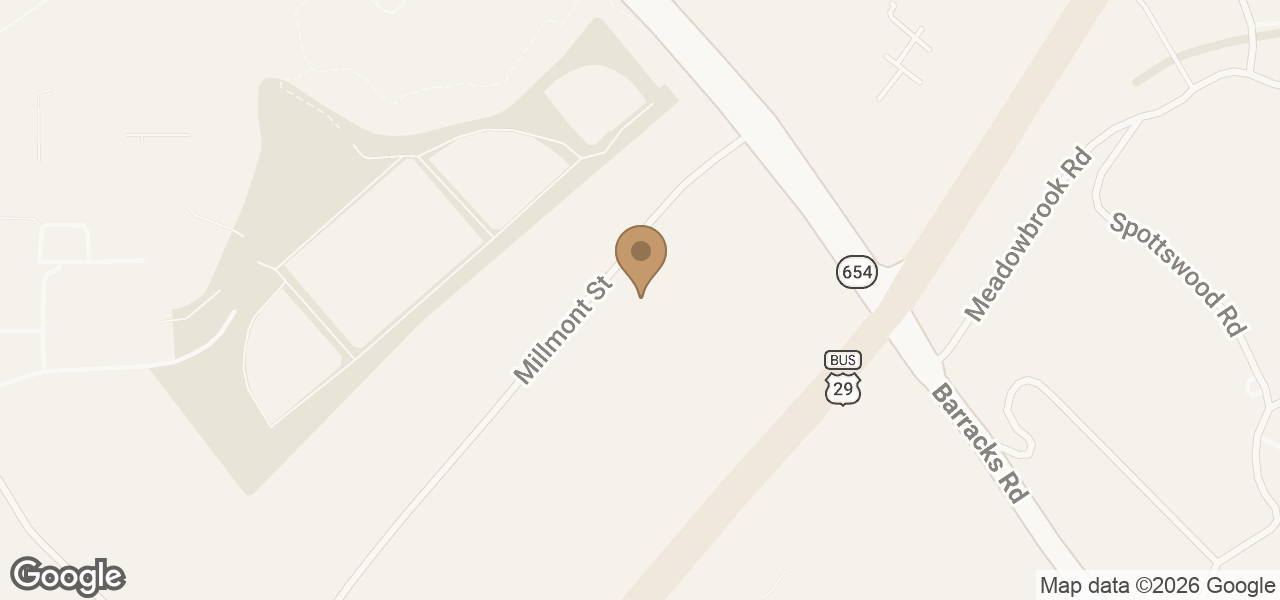
Address: 1129 Emmet St N, Charlottesville, VA 22903 (Get directions)
Website: albemarleangler.com/
Facebook: Albemarle Angler on Facebook
Instagram: Albemarle Angler on Instagram
Google: Albemarle Angler on Google
All services: View all Albemarle Angler services →
| Mon | 11:00 AM – 6:00 PM |
| Tue | 11:00 AM – 6:00 PM |
| Wed | 11:00 AM – 6:00 PM |
| Thu | 11:00 AM – 6:00 PM |
| Fri | 11:00 AM – 6:00 PM |
| Sat | 11:00 AM – 6:00 PM |
| Sun | 12:00 PM – 5:00 PM |